
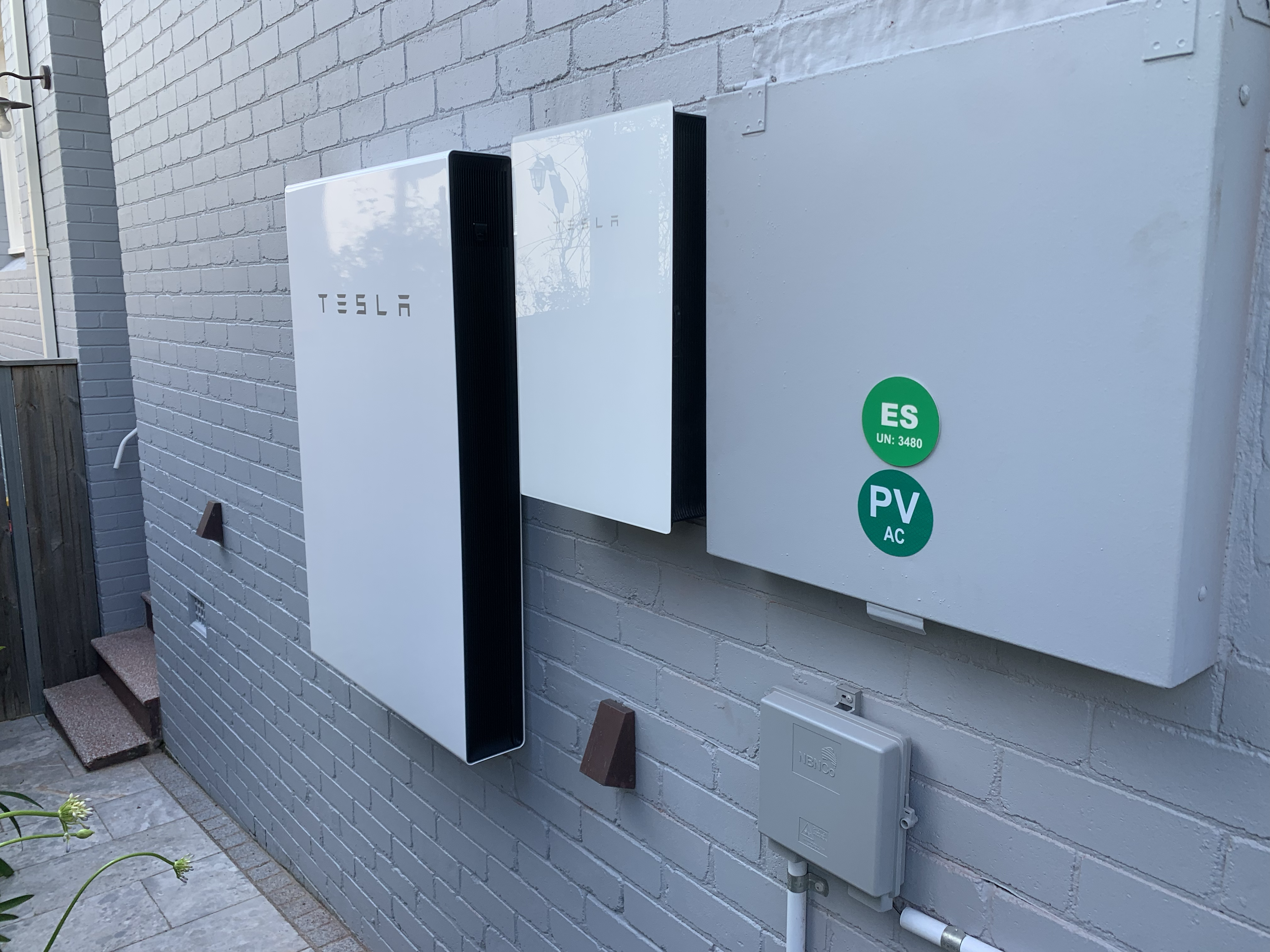
We get asked this every week, and the honest engineering answer is the one nobody likes: it depends. A battery is worth it when it earns its keep, when it lets you use the solar you would otherwise export for a few cents, or shields you from peak tariffs at 6pm. The trick is knowing which of those levers actually applies to your home before you spend a dollar.
What changed in 2026
Two things moved the needle. First, the federal battery rebate meaningfully cut the up-front cost of storage, which shortens payback across the board. Second, feed-in tariffs have kept falling. In much of NSW you are now exporting solar for less than you pay to buy it back at night. That gap is the whole reason storage makes sense: every kilowatt-hour you store and use yourself is worth the retail rate, not the export rate.
- Feed-in tariffs in NSW have dropped to single-digit cents per kWh for most retailers.
- Evening peak tariffs on time-of-use plans regularly sit at 45 to 55c/kWh.
- A well-sized battery shifts your most expensive hours onto stored solar.
The numbers an engineer actually checks
Before we quote storage, we model your real consumption against your generation, not a generic profile. The four figures that decide whether a battery pays for itself are below.
- Daily usage and, critically, how much of it happens after sunset.
- Your current solar export. High exports usually mean a battery has something to capture.
- Your tariff structure: flat-rate plans benefit far less than time-of-use plans.
- Whether backup during outages matters to you, which changes the inverter spec, not just the battery.
A battery that is too big spends half its life half-empty. A battery that is too small tops out before it has covered your evening. Sizing is the entire game.
When we tell people to wait
If you are on a flat tariff, export very little, and use most of your power during daylight, we will often recommend holding off, or fixing your tariff first. Storage is an investment, and we would rather you spend it where it returns. That is the difference between a sales quote and an engineered recommendation.
If you would like the real numbers for your address, our engineers will model it against your last four quarterly bills and tell you plainly whether storage stacks up for you.
Filed under