There's no single best solar panel for every roof, because the right pick depends on your roof size, your climate and your budget.
This guide will show you the five numbers our engineers check on every panel as well. We will also compare three well-known brands on the Australian market, REC, Aiko and Tindo, and show you where each one shines.
By the end, you should be able to pick up any solar quote and tell if the panels on it are a good fit for your home.
What Makes a Solar Panel "the Best"?
Every panel comes with a datasheet, and the first time you open one it can feel a bit like reading a maths exam. The good news is that only a handful of those numbers really matter to a homeowner, and these are the five worth getting to know.
1. Efficiency
Efficiency tells you how much of the sunlight landing on a panel gets turned into electricity, so a panel with 22% efficiency turns 22% of that light into power.
A more efficient panel makes more power from the same patch of roof, which really helps when your roof is small or an awkward shape. If you've got plenty of space, though, a slightly less efficient panel can do the job just as well. Our guide to monocrystalline vs polycrystalline panels explains why most panels sold today are mono.
2. Temperature coefficient (how well it handles heat)
It may surprise a lot of people, but solar panels are not actually a fan of heat. They love light, and as they warm up they make a little less power. The temperature coefficient tells you how much less, written as a percentage per degree (for example, -0.24%/°C), and the closer that number sits to zero, the better the panel copes on a hot day.
To see what that means in real life, picture a panel rated at 25°C sitting on a summer roof and heating up to 40°C above that.
A panel rated -0.24%/°C would lose about 9.6% of its power, while one rated -0.30%/°C would lose about 12%. (Our own working, based on each panel's rated temperature coefficient.) The gap looks small on paper, but it adds up over many Sydney summers.
3. Degradation (how much power it keeps over time)
Every panel slowly makes a little less power as the years go by, which is called degradation, and a good panel will promise to hold on to most of its power for decades.
REC, for example, promises its Alpha Pure-RX will still make at least 92% of its rated power in year 25. Our guide on how long solar panels last walks through what happens over a panel's life.
4. Warranty, and who backs it in Australia
Panels come with two warranties: a product warranty, which covers faults in the panel itself, and a performance warranty, which covers how much power it keeps making.
A long warranty is only worth something if the company is still around to honour it, so we look for brands with a local office and support team here in Australia. Our guide to solar and battery warranties explains what each one covers.
5. Toughness: hail, salt and approval
Your panels will sit outside for 25 years or more, through hail, strong winds and, if you live near the beach, plenty of salty air. Some panels are tested against bigger hailstones than others, and some are approved for homes close to the coast. Our guide on hail damage explains what panels can handle.
It's also worth checking if the panel is on the Clean Energy Council's approved products list, since only panels on that list are eligible for the federal solar rebate.
From our experience, most homeowners zero in on efficiency, but on a hot, coastal Sydney roof, heat handling and toughness can matter every bit as much.
Three Well-Known Brands Compared: REC, Aiko and Tindo
REC, Aiko and Tindo are three well-known names in Australian solar, and each one stands out for a different reason: one for handling heat, one for squeezing the most power out of a small roof, and one for being made right here in Australia.
All three also have local support, which matters if you ever need to make a warranty claim. Here's how each brand's current top home panel compares:
| REC Alpha Pure-RX | Aiko Neostar (3rd gen, 60-cell) | Tindo Walara G4P | |
|---|---|---|---|
| Cell type | Heterojunction (HJT) | Back contact (ABC) | N-type TOPCon |
| Top efficiency | 22.6% | Over 25% | 22.6% |
| Heat handling (temperature coefficient) | -0.24%/°C | -0.26%/°C | -0.30%/°C |
| Where it's made | REC is headquartered in Singapore | Aiko is a Chinese manufacturer | Adelaide, South Australia |
REC Alpha Pure-RX: best for hot and coastal roofs
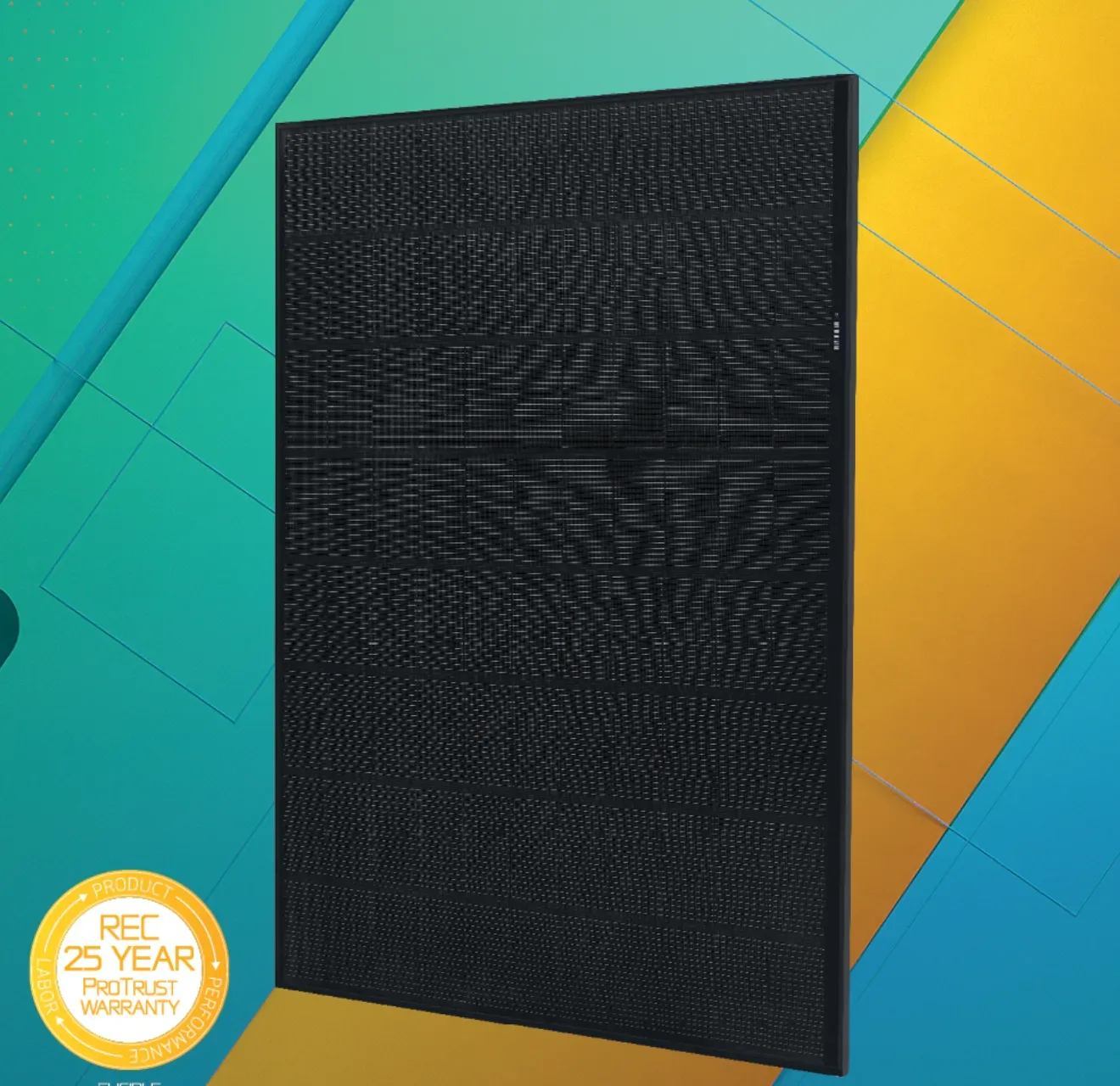
Of the three, the REC Alpha Pure-RX handles heat the best, with a temperature coefficient of -0.24%/°C, which means it gives up the least power on those scorching summer afternoons.
REC also promises it will keep at least 92% of its rated power in year 25, and says it's approved for near-coastal installs, which is good news if you live close to one of Sydney's beaches.
The standard product warranty is 20 years, and it stretches to 25 years, with labour cover included, when the panels are installed by an REC Certified Solar Professional.
Aiko Neostar: best for small roofs
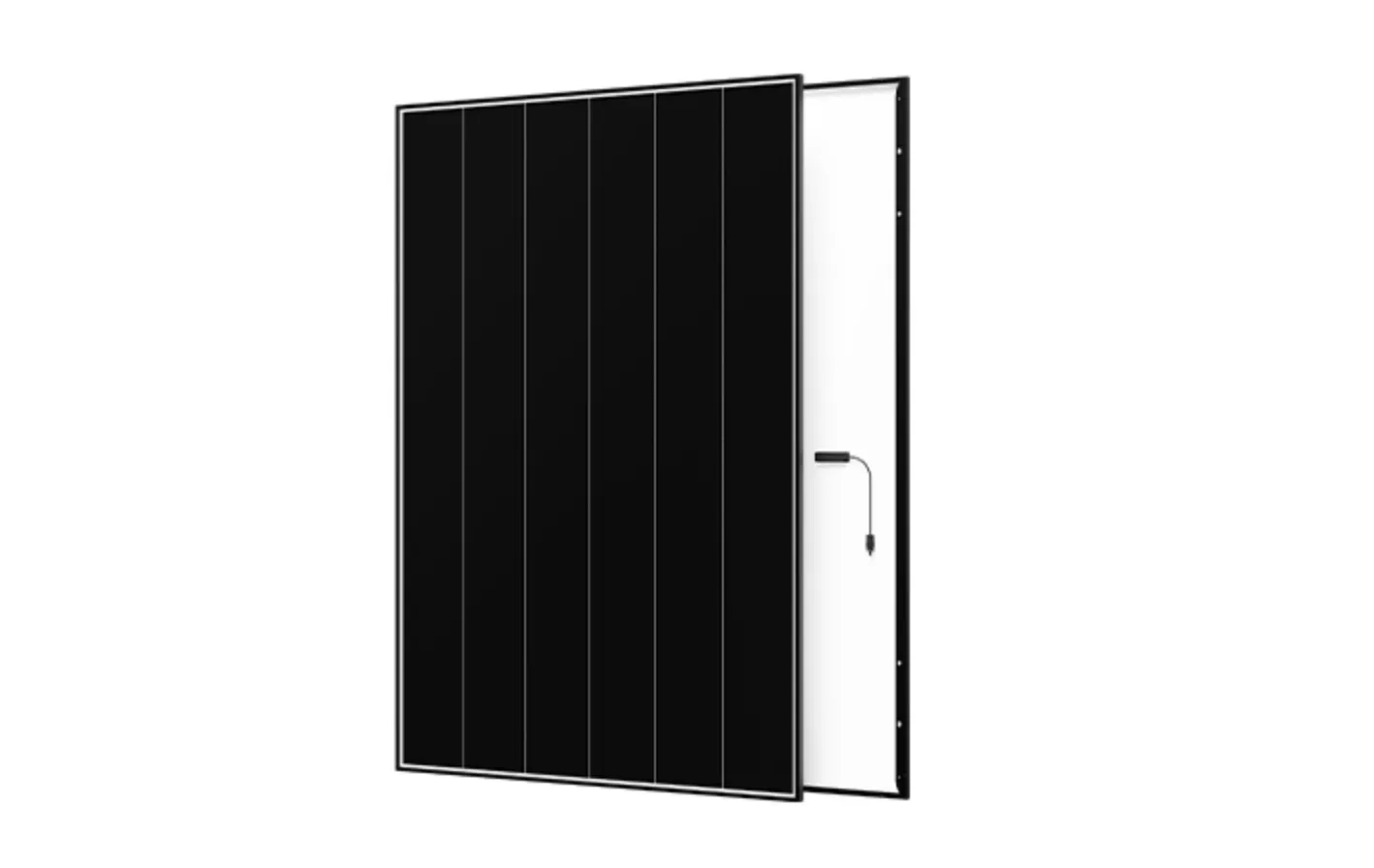
Aiko's third-generation Neostar is the most efficient panel on our list. pv magazine reports it reaches over 25% efficiency and up to 545 watts per panel, which is a lot of power from a single panel.
The trick is in how it's built. All the wiring sits on the back of each cell, so nothing on the front gets in the way of the light, and you end up with more power from fewer panels. That makes it a handy choice when roof space is tight.
Aiko's Australian datasheet lists a 25-year product warranty and a 30-year performance warranty, along with features that help when part of the roof is shaded, and pv magazine notes the mono-glass versions are certified for 35 mm hail.
Furthermore, pv magazine also works out that the panel should keep about 90.6% of its power after 30 years, based on Aiko's degradation rating.
Tindo Walara G4P: best for Australian-made
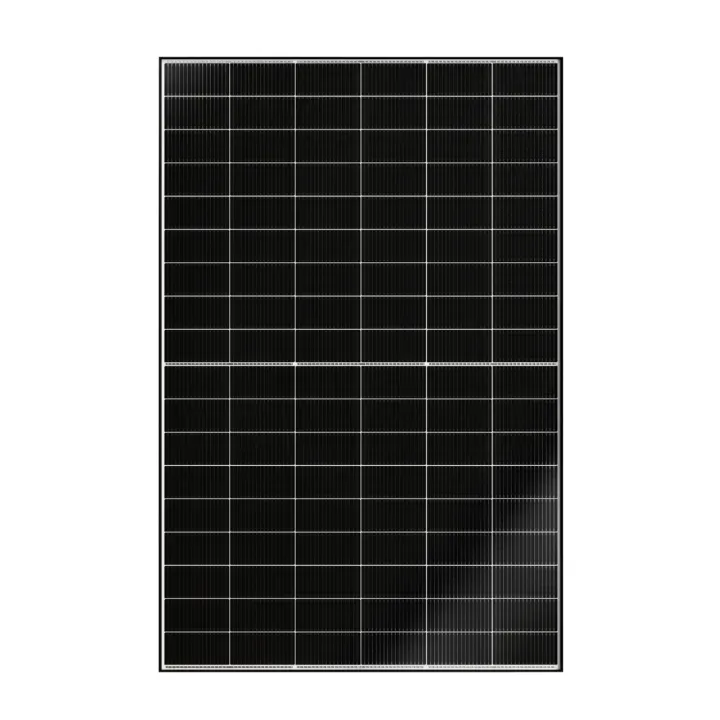
Tindo builds its panels in Adelaide, so choosing them means Australian-made panels on your roof and a local team to help if you ever need them.
The Walara G4P uses N-type TOPCon cells, and pv magazine reports the 440 W version reaches 22.6% efficiency, with the 475 W all-black version at 21.9%.
Its heat handling, at -0.30%/°C, sits a little behind the other two, but it's still a good result.
Which Panel Suits Your Home?
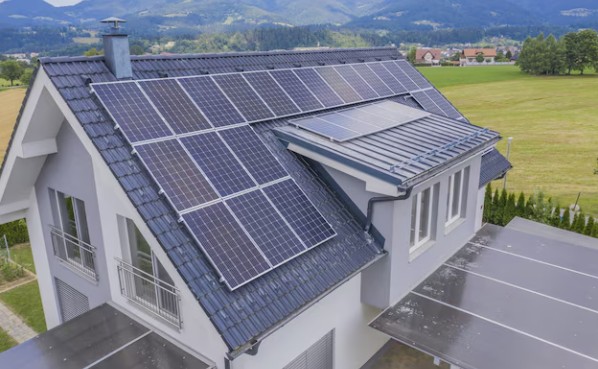
If you'd like a quick starting point, think of it this way: Aiko suits small or tricky roofs because it squeezes the most power out of each panel, REC suits hot roofs and homes near the beach, and Tindo suits anyone who'd like their panels made in Australia.
That said, from our experience, the right answer usually comes from your roof: how much space you have, where the shade falls, which way the roof faces and how close you are to the coast can all change the pick.
This is why, for every solar panel installation we design, we choose panels only after we've looked at your roof and your power bills.
How to Check the Panels on Your Quote
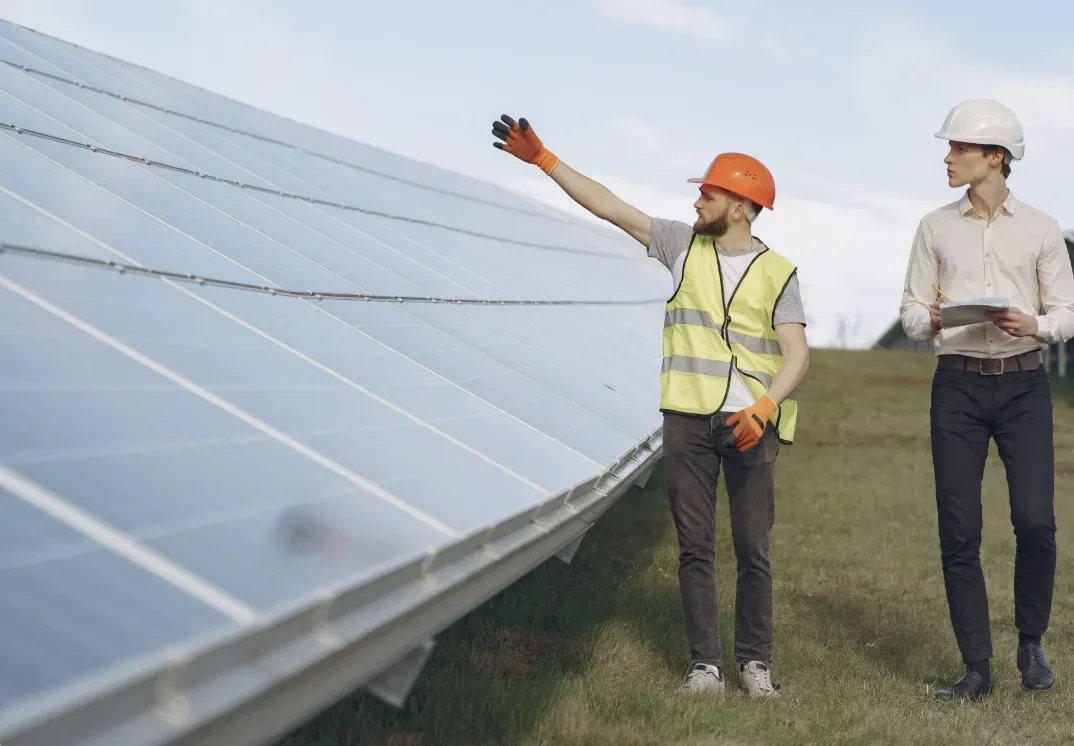
This is the part you can put to use straight away, so grab any solar quote you've received and run through these six checks.
- Look for the exact model number. Words like "premium panels" or "Tier 1 panels" don't tell you much on their own, so make sure the quote names both the brand and the model, such as "REC Alpha Pure-RX 470".
- Find the datasheet. Search the model number online and open the maker's datasheet, where you'll find the five numbers we covered earlier.
- Check the approved list. Look the panel up on the Clean Energy Council's approved products list, because a panel that isn't on it won't qualify for the federal rebate.
- Read both warranties. Check the product warranty and the performance warranty, then find out who honours them here in Australia.
- Ask about the installer. Your installer should be accredited with Solar Accreditation Australia (SAA), and some warranties depend on it. REC's longest warranty, for instance, only applies when an REC Certified installer puts the panels in.
- Compare whole systems, not just panels. CHOICE gives the same advice, and for good reasons like the inverter, the design and the quality of the installation matter just as much as the panels.
Remember that a good installer is always happy to show you exactly what's going on your roof. Our guide on how to read a solar quote walks you through the rest of the page.
If you'd like panels picked for your roof, our SAA-accredited engineers design every system around your roof and your power bills, and they're always happy to explain why a panel suits your home.
See how our solar panel installation works, request a proposal, or call our engineers on 1300 174 647.
FAQs
What is the best solar panel brand in Australia?
There is not one best brand for every home, since the right choice depends on your roof, your climate and your budget. Of the three brands in this guide, REC handles heat the best, Aiko is the most efficient, and Tindo is made right here in Adelaide.
Which of these panels is the most efficient?
That would be Aiko's third-generation Neostar, which pv magazine reports reaches over 25% efficiency, the highest of the three brands in this guide.
Are more efficient panels always better?
Not always. Higher efficiency helps most when roof space is tight, but on a large, sunny roof, heat handling, warranty and toughness can matter just as much.
Does the installer matter as much as the panel?
Yes, because even a great panel won't perform well if it's installed badly, and some warranties only apply when the installer is accredited. That's why it's always worth checking your installer is SAA-accredited.
Filed under