Solar panels are often explained in a way that makes them sound like they directly "power your home" the moment sunlight hits them.
In reality, the process is a little more structured than that, and understanding the full system is what helps you understand what you are actually paying for and what affects your real-world savings.
1. Solar panels don't power your home directly
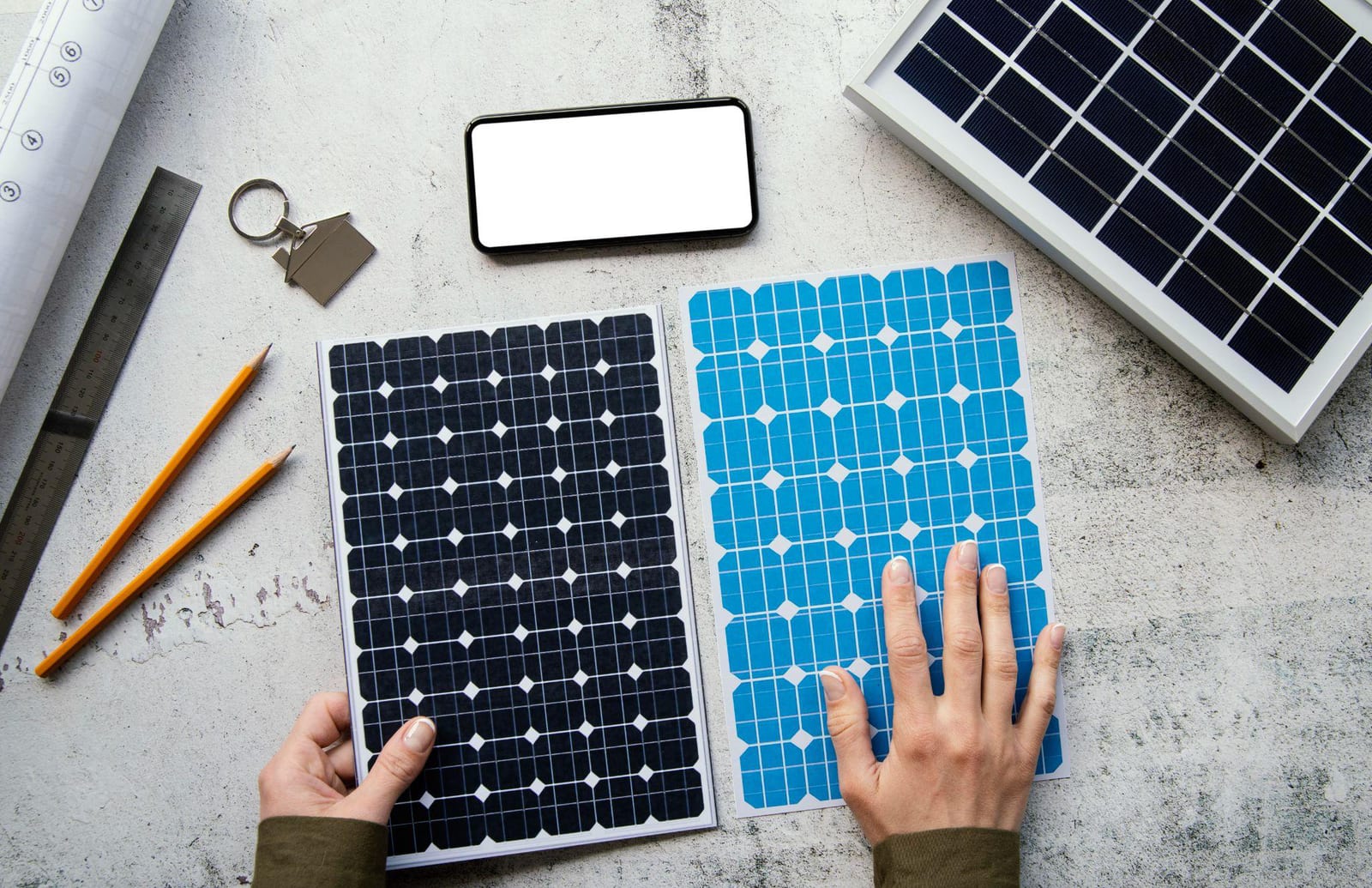
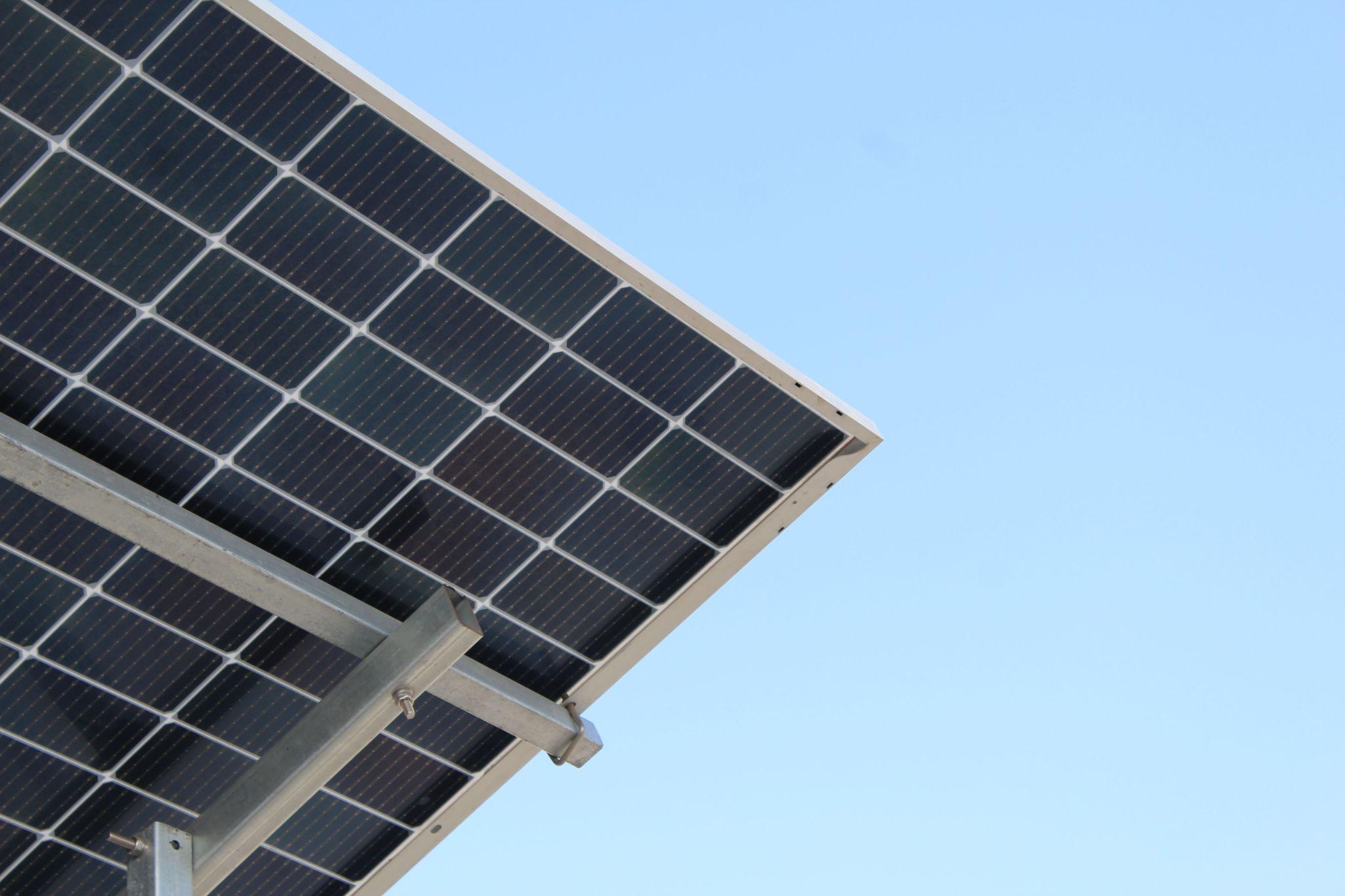
When sunlight hits a solar panel, it is converted into direct current (DC) electricity through what is known as the photovoltaic effect, which simply means the solar cells inside the panel are releasing electrons when exposed to light.
But that electricity is not yet usable in your home.
It is still in DC form, which is not compatible with household appliances, and it needs to be converted before anything in your home can actually run from it.
So at this stage, the panel is not powering your fridge, air conditioner, or lights directly. It is only producing raw electrical energy that still needs to be processed.
2. The inverter is what actually powers your home
The most important component in the system is not the panel itself, but the solar inverter.
All electricity from the panels flows into the inverter first, where it is converted from DC into alternating current (AC), which is the same type of electricity supplied by the grid and used by all standard appliances in your home.
Once this conversion happens, the system prioritises your home's immediate electricity demand.
So in practice:
- If your home is using power during the day, solar supplies it first
- If solar production exceeds your usage, the excess flows out to the grid
- If solar production is lower than your usage, the difference is pulled from the grid
This constant balancing act is what most people never see, but it is where the real performance of a system is decided.
3. Your switchboard is where everything comes together
Once solar electricity is converted to AC, it flows into your switchboard, which is essentially the distribution point for your entire home.
From here, electricity is directed to individual circuits such as lighting, kitchen appliances, air conditioning, and hot water systems.
If there is excess solar energy at any point, it does not get wasted. Instead, it flows back through your meter and into the grid, where it is recorded as exported energy.
4. The grid acts as your backup system
A grid-connected solar system does not replace the grid; it works alongside it.
When solar production is high, you rely less on the grid. When production drops, such as in the evening or during cloudy weather, the grid instantly fills the gap.
You can think of the grid less as a backup generator and more as a balancing system that keeps your power stable at all times.
This is also why system design matters, because the goal is not just to generate electricity, but to maximise how much of it you actually use rather than export.
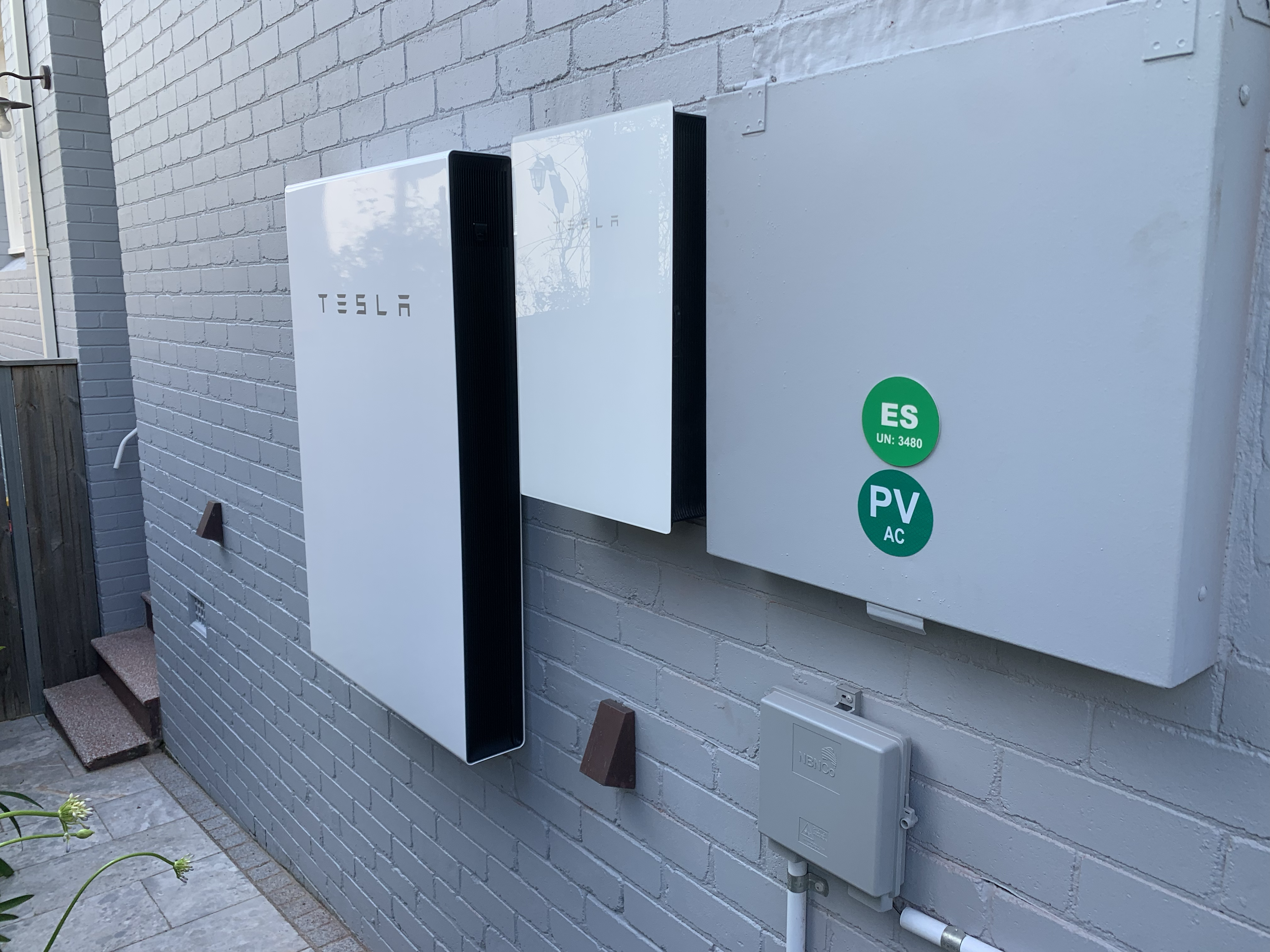
5. Batteries change when you use your solar power
If a battery is part of the system, the flow changes slightly. Instead of sending excess solar straight to the grid, it is stored in the battery for later use.
This becomes useful during evening hours when energy prices are higher or when solar production drops to zero.
However, the engineering point here is simple: a battery does not create extra energy, it only shifts when you use it, which is why correct sizing and usage patterns matter more than the battery itself.
6. What actually affects how well solar works
While most explanations focus on how solar panels generate electricity, the real-world performance of a system depends on a few practical engineering factors that are often overlooked.
The first is roof orientation and shading, because even small shading issues can significantly reduce output depending on how the system is wired.
The second is inverter sizing and design, because a poorly matched inverter can limit how much usable energy your system can actually convert.
The third is system configuration, meaning how panels are split across roof faces and how the system is electrically designed behind the scenes.
Two systems with the same number of panels can produce noticeably different results simply because of design quality, not equipment quality.
7. Why solar output is not constant
A common misconception is that solar panels produce a steady level of power throughout the day, but in reality output changes constantly based on sunlight intensity, angle, temperature, and weather conditions.
Even on clear days, production rises gradually in the morning, peaks around midday, and then declines in the afternoon.
Cloud cover does not stop production entirely, but it reduces output, which is why grid connection remains essential for stability.
Conclusion
So, how do solar panels work in a real home system?
They convert sunlight into DC electricity, which is then transformed by an inverter into usable AC power, distributed through your switchboard, and either consumed instantly, exported to the grid, or stored in a battery for later use.
If you want to understand what a properly designed system would look like for your home, including realistic production and savings based on your roof and usage, our engineering team at Guwing Green can map it out for you and show you exactly how the numbers stack up before you make a decision. Talk to a solar engineer to get started.
Filed under