
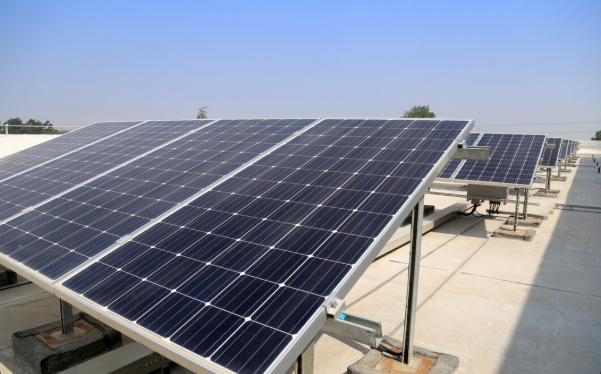
With electricity prices continuing to rise, many Australian homeowners are asking the same question: is solar battery worth it?
A solar battery allows you to store excess energy generated by your solar panels and use it later when the sun isn't shining. While batteries can reduce your reliance on the grid and lower power bills, they also require a significant upfront investment.
In this guide, we'll break down solar battery costs, potential savings, and the key factors that determine whether a battery is the right choice for your home.
What Is a Solar Battery and How Does It Work?
A solar battery stores surplus electricity generated by your solar system during the day.
Without a battery, any unused solar energy is typically exported back to the grid in exchange for a feed-in tariff. With a battery installed, that excess energy can be stored and used later during the evening, overnight, or during periods of high electricity demand.
A typical setup works like this:
- Solar panels generate electricity during daylight hours.
- Your home uses the energy it needs first.
- Excess energy charges the battery.
- Stored energy powers your home when solar production drops.
When paired with a quality solar system, battery storage can significantly increase your energy independence.
If you're still comparing system options, our team can help you understand whether a battery should be included as part of your new solar installation.
Is Solar Battery Worth It for Australian Homes?
The answer depends on your energy usage, electricity rates, solar system size, and budget.
For many households, batteries are becoming increasingly attractive due to:
- Rising electricity prices.
- Lower feed-in tariffs.
- Government battery incentives.
- Improved battery technology.
- Greater interest in energy independence.
For homeowners who don't yet have solar panels, installing a quality solar system often delivers the greatest savings first. Once solar is in place, adding battery storage can further reduce grid reliance and increase overall savings.
Please note that to qualify for current federal battery support, the battery and inverter must be listed on the Clean Energy Council approved products lists, and the installation must be completed by or supervised on site by an SAA-accredited battery installer.
How Much Does a Solar Battery Cost?
Battery prices vary depending on capacity, brand, installation requirements, and whether the battery is being added to an existing system or installed alongside new solar panels.
As a general guide, fully installed residential batteries commonly range between:
| Battery Size | Typical Installed Cost |
|---|---|
| 5kWh | $5,000 - $8,000 |
| 10kWh | $8,000 - $12,000 |
| 15kWh+ | $12,000 - $18,000+ |
Several factors influence pricing:
Battery Capacity
Larger batteries store more energy but come with higher upfront costs.
Existing Solar System
Retrofitting a battery to an older solar system may require additional equipment, such as a hybrid inverter.
Installation Complexity
Switchboard upgrades, wiring requirements, and battery location can affect installation costs.
If you're considering upgrading an existing system, our team can assess your setup and recommend the most cost-effective solution.
How Much Money Can a Solar Battery Save?
The main financial benefit comes from reducing the amount of electricity you purchase from the grid.
Instead of exporting excess solar power for a relatively low feed-in tariff, you can store that energy and use it when electricity prices are highest.
Potential savings depend on:
- Your daily electricity consumption.
- Peak and off-peak tariffs.
- Solar system size.
- Battery capacity.
- Local energy retailer rates.
Households with higher evening electricity usage often see the greatest benefit because they can use stored solar energy during expensive peak-rate periods.
Benefits Beyond Energy Savings
When evaluating whether a solar battery is worth it, it's important to consider benefits beyond financial returns.
Backup Power During Blackouts
Many battery systems can provide backup power during grid outages, helping keep essential appliances running.
This can be particularly valuable for households in areas prone to blackouts.
Greater Energy Independence
A battery reduces reliance on electricity retailers and protects you from future energy price increases.
Lower Carbon Footprint
Instead of drawing electricity from the grid during the evening, you can use clean energy generated by your own solar system.
This helps reduce household emissions and supports Australia's transition to renewable energy.
Final Verdict: Is Solar Battery Worth It?
For many Australian households, the answer is increasingly yes. As battery prices continue to improve and government incentives help offset upfront costs, battery storage is becoming a more viable investment than ever before.
The greatest value is typically achieved when a battery is paired with a well-designed solar system, allowing homeowners to maximise self-consumption and reduce reliance on the grid.
If you're considering solar or battery storage, Guwing Green can help you compare your options, understand potential savings, and determine the best solution for your home. Book a solar battery consultation when you are ready.
Filed under