
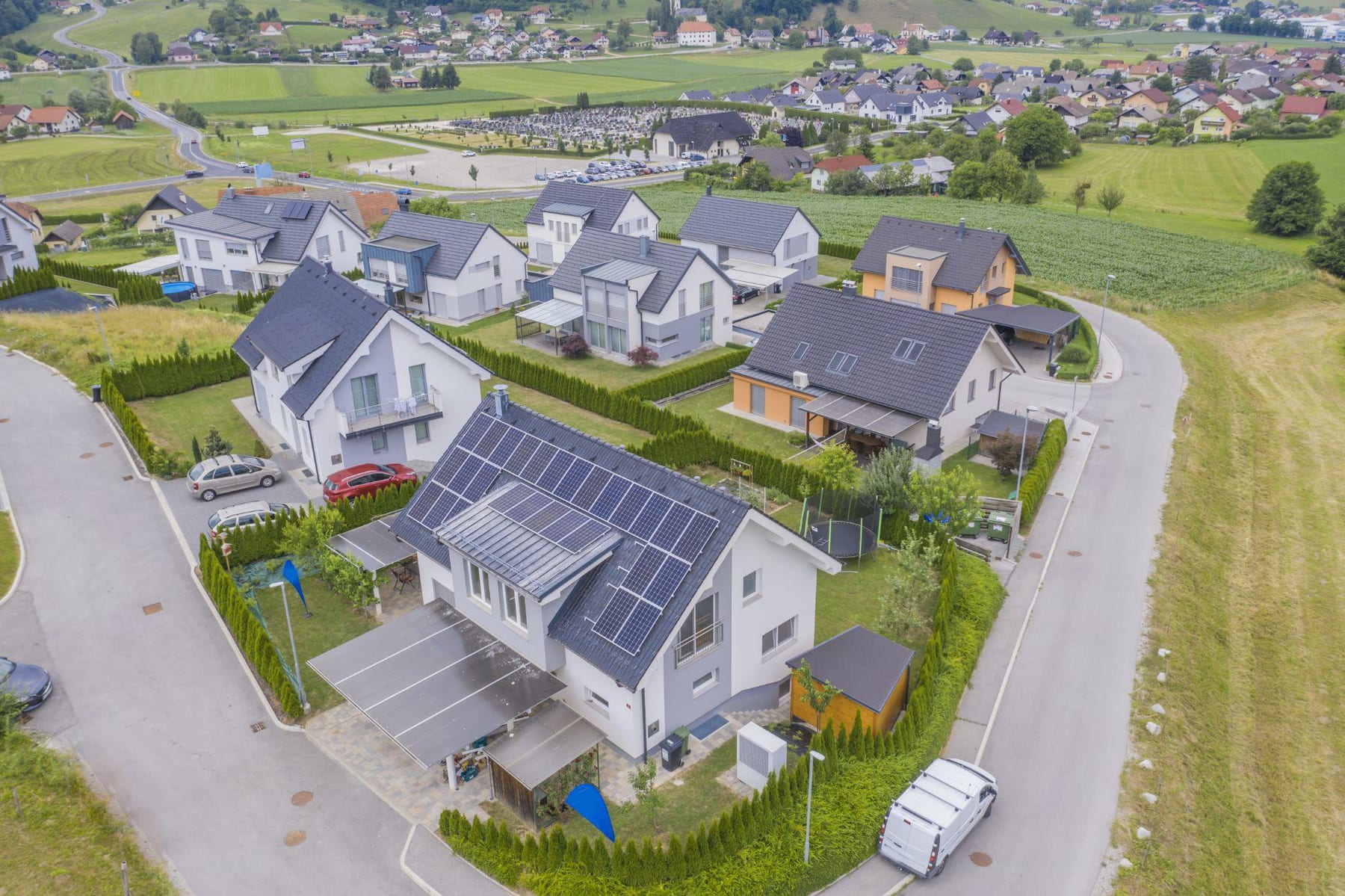
Power bills keep climbing, and the upfront cost of solar, a battery, or any meaningful energy upgrade has been the thing stopping a lot of Sydney households from making the switch.
The new NSW Home Energy Saver Program is built to remove exactly that barrier: a zero-interest loan of up to $15,000, with a $4,000 discount option coming soon. It sits alongside the broader green loan options available to Australian households.
This guide explains the program through an engineer's eyes to show homeowners how to get rid of upfront costs without getting ripped off.
Because Guwing Green is approved to offer access to this loan through Brighte and Plenti, we can also start the application from our end once your system design and quote are ready.
Brighte or Plenti then will take care of the finance application, assessment, approval and ongoing loan management.
What Is the NSW Home Energy Saver Program?
Home Energy Saver is a NSW Government program that helps households switch to cleaner and cheaper energy.
Launched in June 2026, the program is run directly by NSW Government initiative managed by the Department of Climate Change, Energy, the Environment and Water (DCCEEW) alongside the NSW Energy Security Corporation (ESC) to lower pressure on the grid and slash your daily power bills.
It gives you a straightforward way to install premium energy gear without needing a massive stack of cash.
The government has put a total of $557 million into this funding pool to get this thing moving. This package is split into two areas, with $480 million set aside for interest-free loans and $77 million put toward upfront discounts.
The zero-interest loan pool alone is expected to help more than 32,000 households across NSW over the next few years.
How Much Can You Get: Loan vs Discount
The program has two parts, meaning you can either get an interest-free loan or an upfront discount depending on your situation. However, at the time of writing, only one of them is actually open for applications.
The Zero-Interest Loan (Up to $15,000)
The loan side of the program lets you borrow up to $15,000 with absolutely 0% interest and no hidden ongoing account fees. You get up to 10 years to pay it off, keeping your monthly repayments low and easy to manage.
The money is looked after by two approved finance companies, Brighte and Plenti. Since Guwing Green is approved to offer access to the Home Energy Saver loan through both of them, we can initiate your application from our end once your quote is ready.
The Upfront Discount (Up to $4,000, Coming Soon)
The discount option gives you up to $4,000 straight off the price of your new energy gear. This stream is means-tested, meaning it is reserved for households making $80,000 or less a year, or anyone with a valid government concession card.
A company called Creditex is running this part of the program, but at the time of writing, this discount portal is not open for application just yet. It is listed by the NSW Government as coming soon, with no confirmed launch date.
Given how new this scheme is, it's worth checking the live program status on energy.nsw.gov.au before assuming the discount is available.
Strategic Ordering of Application Streams
If your household is eligible for both the loan and the discount once it opens, you need to plan the order of your applications carefully.
You should apply for the upfront discount first as soon as Creditex opens up the portal. This knocks down the project price of the job right away, leaving you a much smaller balance to cover with the 0% loan.
What Upgrades Are Eligible?
The Home Energy Saver loan covers a meaningful range of home energy upgrades, focusing on smart gear that stops your house from hogging power from the main grid. Picking the right mix of these upgrades can completely change how much your home costs to run.
Solar Panels and Home Batteries
Putting solar panels on your roof and pairing them with a home battery is the main focus of this whole rollout. These setups connect straight into our solar and battery services to help you use as much of your own free power as possible.
If you are sitting on the fence trying to figure out is a solar battery worth it for your place, getting rid of the upfront cost with a 0% loan completely changes the payback math.
Heating, Ventilation, and Air Conditioning (HVAC)
Swapping out old, power-hungry heaters and coolers for efficient, modern, reverse-cycle air conditioning is fully covered. The program also approves high-efficiency ceiling fans to keep the air moving without running up the bill on milder days. Replacing standard electric hot water or old heaters with inverter-driven heat pumps will massively drop your baseline electricity use.
Thermal Envelope and Draught-Proofing
The scheme puts a lot of value on sealing up your home so you aren't paying to heat or cool the neighbourhood. You can use the funding for draught-proofing around leaky doors and windows to keep your inside temperature steady. It also covers putting in high-quality ceiling insulation, wall insulation, and double-glazed windows or doors.
Hot Water Systems and Cooking Infrastructure
Heating water takes up a massive chunk of a Sydney home's daily power bill, making it a prime target for a swap.
The guidelines let you ditch old gas or basic electric hot water cylinders for advanced solar thermal systems or efficient heat pumps.
You can also use the funds to replace an old gas or electric cooktop with a fast, safe induction stove.
Electric Vehicle Charging Infrastructure
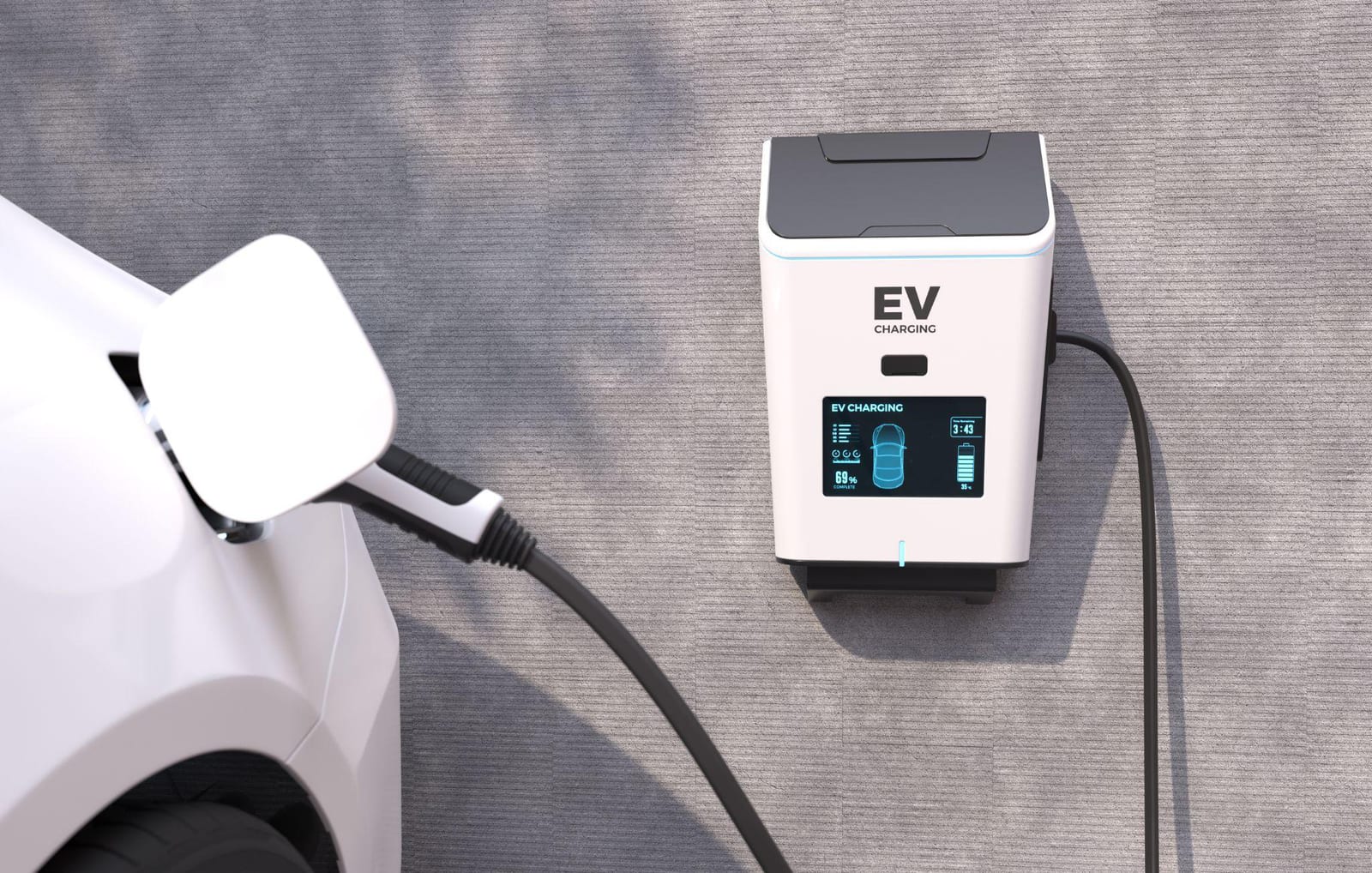
With more Sydney drivers switching to electric cars, having a proper charger at home is becoming a must-have asset.
The program covers the cost of installing a dedicated Level 2 EV smart charger, which fills your car much faster than a standard wall plug. You can set these smart chargers to only use your surplus solar power, meaning you can drive around on 100% free sunshine.
Engineering Note: The approved list of gear can change over time as new energy-saving tech hits the market. Make sure to check the live list of eligible upgrades on the official energy.nsw.gov.au website before locking in your project plans.
Who Qualifies?

The NSW Government has set out clear, simple rules to make sure this money goes to genuine residents and long-term property owners. You must tick all of these boxes before an approved lender can give you the green light.
- Be an Australian citizen or permanent resident.
- Have a combined, annual, taxable household income of $210,000 or less.
- Be an owner-occupier or landlord. The property must be owned by the applicant.
- Meet the standard credit assessment requirements of the approved lender (Brighte or Plenti).
A few additional conditions apply to the property itself. It must not be social or community housing, and it can't be used for short-stay accommodation.
Renters can't apply for the loan directly, since it's tied to property ownership, though renters may be able to access the separate discount once it opens, with their landlord's permission.
Strata properties can apply too, but owners corporation approval is needed before proceeding, which is worth factoring into your timeline if you're in an apartment or townhouse complex.
For the full detail behind each of these criteria, the NSW Government's Home Energy Saver loan guidelines cover every eligibility and product requirement in full.
How the Home Energy Saver Loan Stacks with Other Solar and Battery Incentives
This is the part most explainers skip or just gloss over, but it is where the real financial picture for a Sydney home comes into focus. The way it works is pretty straightforward once it is explained plainly.
Your other eligible rebates are always applied first, knocking down the total cost of the system before the loan is calculated. The zero-interest loan then covers whatever is left of that already-discounted price, rather than stacking on top of the full retail cost.
For a Sydney household installing solar and a battery, there are usually two other incentive layers in play alongside the NSW loan.
Federal Cheaper Home Batteries Program
This federal scheme discounts the upfront cost of an eligible battery by roughly 25% to 30%. It is delivered through Small-scale Technology Certificates (STCs) under the federal Small-scale Renewable Energy Scheme.
The great thing is the discount is applied directly by your installer at the point of sale, so you don't have to worry about a separate government claim process.
NSW Peak Demand Reduction Scheme (PDRS) VPP Incentive
This state-level incentive offers a one-off upfront payment of up to $1,500 for connecting an eligible battery to a Virtual Power Plant (VPP). Your battery stays physically in your home and nothing changes with the hardware. It just uses a software link so the grid can draw a tiny bit of stored power during peak events.
A standard 10kWh battery can attract a substantial upfront payment of up to $1,100 depending on the battery model and your chosen Virtual Power Plant (VPP) aggregator platform, with the maximum $1,500 credit saved for larger setups. This incentive sits completely separate from the federal rebate and stacks directly on top of it.
A Worked Example of Solar + Battery for a Typical Sydney Home
To see how these layers move in the real world, let's look at a common setup for a Sydney home with average power usage. This model uses a premium 6.6kW solar array paired with a high-performance 10kWh battery system.
| Cost Layer | Approximate Effect |
|---|---|
| Full retail price (solar + 10kWh battery, fully installed) | ±$16,000–$17,000 |
| Less: Federal Cheaper Home Batteries Program (±25–30% off the battery) | -±$2,500 |
| Less: NSW PDRS VPP incentive (10kWh battery) | -±$1,100 |
| Net system cost after federal and state battery incentives | -±$12,400–$13,400 |
| Home Energy Saver loan (covers remaining cost, up to $15,000 cap) | Covers the balance, $0 upfront |
In this scenario, the federal and state battery incentives slash the real cost of the system before the Home Energy Saver loan is even worked out. Because that discounted total sits safely under the $15,000 loan cap, an eligible household can get this whole system installed for genuinely nothing upfront.
You simply repay the discounted amount over a term of up to 10 years with absolutely zero interest.
Keep in mind that these figures are illustrative rather than a final quote. The exact STC value, your chosen battery model, and specific installation factors will always move the final numbers slightly.
However, the basic structure holds true for most standard Sydney setups: federal and state incentives drop the price first, and the NSW loan picks up the remaining tab.
Why the Order of Incentives Matters
It is vital to understand why the order of these calculations matters so much for your wallet. If you assumed the loan applied to the full $16,000 to $17,000 retail price, you would think you'd need to borrow more than the program's strict $15,000 cap. That extra finance simply isn't available under this government scheme.
Knowing that the discounts come off first is the difference between a quote that fits comfortably within the loan and one that leaves you with an out-of-pocket shortfall.
This specific ordering matters just as much for solar-only installations without a battery. The STCs for the solar panels themselves are calculated and applied the exact same way at the point of sale before the loan amount is locked in.
Because of this, a standalone 6.6kW solar system sits well inside the loan cap on its own. This leaves plenty of room under the $15,000 limit to add a battery in the same application if your budget allows it.
Who Delivers the Loan, and What to Look for in an Installer
It's worth being clear on who actually delivers what in this program, because it affects who you should be asking questions of at each stage.
The loans themselves are delivered by Brighte and Plenti directly.
Finance Providers vs Solar Installers
Your installer's role is to quote the work, hold the right accreditation, and refer your application through to one of the two finance providers.
Any installer offering this loan must be a NETCC (New Energy Tech Consumer Code) Approved Seller, which is the consumer protection standard both Brighte and Plenti require before accepting an installer into their network.
NETCC accreditation covers the financial and consumer-protection side of the transaction. It doesn't, on its own, tell you anything about the technical quality of the system design or the installation itself. That's a separate credential.
What SAA Accreditation Truly Means
Beyond the paperwork, the actual installation relies heavily on the skills of the people designing your system. You should look past smooth talk and make sure your system is put together by Solar Accreditation Australia (SAA) certified experts.
This certification ensures your solar setup meets strict safety rules, preventing premature wear and tear or dangerous electrical faults. At Guwing Green, we use our own in-house SAA-accredited design engineers who care about making systems last.
Managing Non-Standard Structural Roof Constraints
Standard solar jobs on simple, flat roofs are pretty easy, but plenty of Sydney homes have unique challenges. Houses with old terracotta tiles, complex multi-angled roofs, or heritage protections need extra care to avoid broken tiles and roof leaks.
Working with a team that knows how to handle complex roof and heritage installs means your solar racking stays completely watertight for decades.
Guwing Green Can Start Your Brighte or Plenti Loan Application
One useful thing to know early: you do not need to work out the finance process alone after receiving a solar or battery quote.
Guwing Green is approved to offer access to the Home Energy Saver loan through Brighte and Plenti, so our team can initiate the application from our end as part of the quote process.
From there, Brighte or Plenti take care of the finance side. They will assess your eligibility and credit application, approve and manage the loan if you qualify, handle repayments, and disburse funds according to their process.
Our job is to design and quote the eligible system, help you understand how rebates and the loan fit together, and support the application without pretending to be the lender.
This distinction matters because approval is still subject to Brighte or Plenti's criteria, but it keeps the process much simpler for you. You can deal with Guwing Green on the system design and installation, while the lender handles the loan.
How to Apply (Step by Step)

Dealing with government applications can be a bit of a headache if you don't know the exact order of the steps. Following this simple roadmap will help get your application approved without getting stuck in paperwork limbo.
- Check eligibility first using the NSW Government's Energy Savings Finder tool, which gives a quick read on whether your household and property meet the program's criteria before you invest time getting quotes.
- Decide which eligible upgrade or upgrades you want. Is it solar, a battery, or both, alongside any of the other eligible upgrades covered above.
- Get a quote from Guwing Green for the upgrade you've chosen, making sure the installer is accredited with your intended finance provider.
- Choose a finance provider (Brighte or Plenti). We can initiate the application from our end and help you move into the lender's application process.
- Once Brighte or Plenti approves the loan, the upgrade is installed and repayments begin according to the lender's terms. Funds are paid through the lender's process, rather than being handed to you as cash.
Frequently Asked Questions
Is Home Energy Saver a loan or a grant?
It's a loan, not a grant. The interest-free structure means you never pay more than what you borrow, but the full amount still has to be repaid, over a term of up to 10 years.
Can renters access Home Energy Saver?
Not directly for the loan, since it's tied to property ownership rather than tenancy. Renters may be able to apply for the separate $4,000 discount once it opens, with their landlord's permission and strata approval too, where relevant.
Can I combine Home Energy Saver with the federal battery rebate or the NSW Peak Demand Reduction Scheme?
In most cases, yes. As covered in the stacking section above, other eligible incentives are generally applied first to reduce the system's cost, and the loan then covers what's left up to the $15,000 cap. Given how new this program is, it's worth confirming the current combinability rules directly on energy.nsw.gov.au before finalising a quote.
Is the $4,000 discount available yet?
Not at the time of writing. The zero-interest loan is open now; the discount is listed as coming soon, with no confirmed opening date. Check the live program status before assuming it's accessible.
Can Guwing Green start my Brighte or Plenti loan application?
Yes. Guwing Green is approved to offer access to the Home Energy Saver loan through both Brighte and Plenti. Once your system design and quote are ready, we can initiate the application from our end. Brighte or Plenti then handle the finance application, credit assessment, approval, loan account and repayments. Approval is still subject to the lender's criteria.
Does Guwing Green approve the loan?
No. Brighte or Plenti assess and approve the loan. Guwing Green designs and quotes the eligible upgrade, helps you understand how the loan and any other rebates apply, and supports the application process as an approved provider.
Conclusion
The NSW Home Energy Saver Program is a great way to skip the upfront costs of upgrading your home's energy setup.
Instead of just hunting for the cheapest bargain-basement quote, focusing on a proper engineering design ensures your system actually zeroes out your power bills for the long haul.
If you are weighing up solar, a battery, or both under the Home Energy Saver loan, talk to Guwing Green's SAA-accredited design engineers first.
We'll model your actual usage, show you exactly how the loan and any other rebates apply to your system, and give you a transparent quote with nothing hidden in the fine print. Get your free system design today.
Filed under