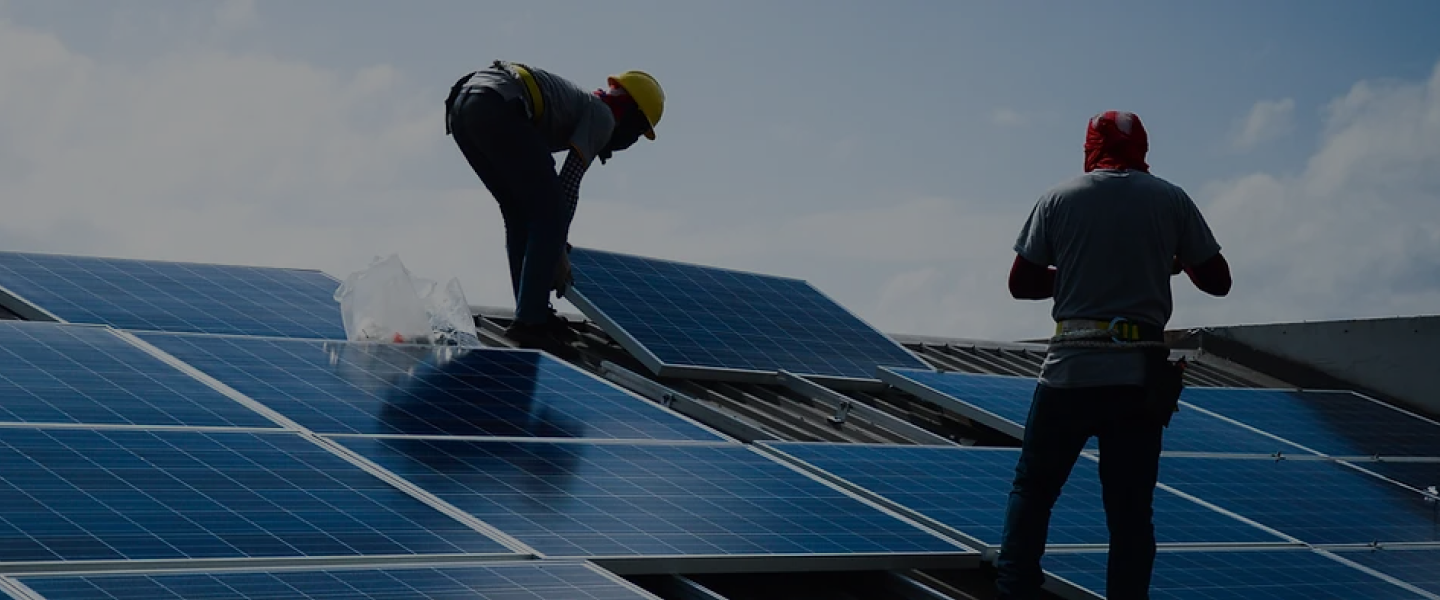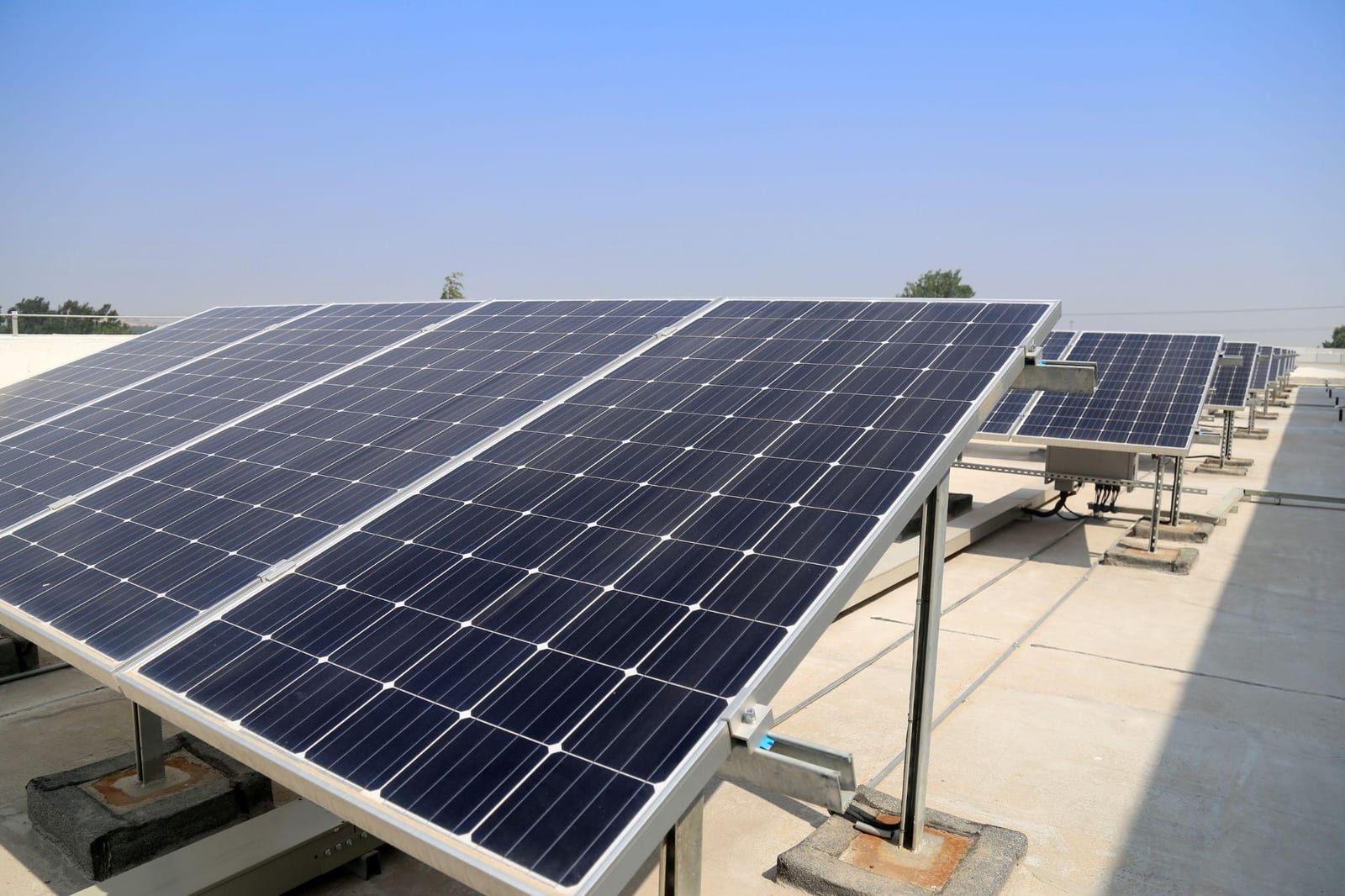
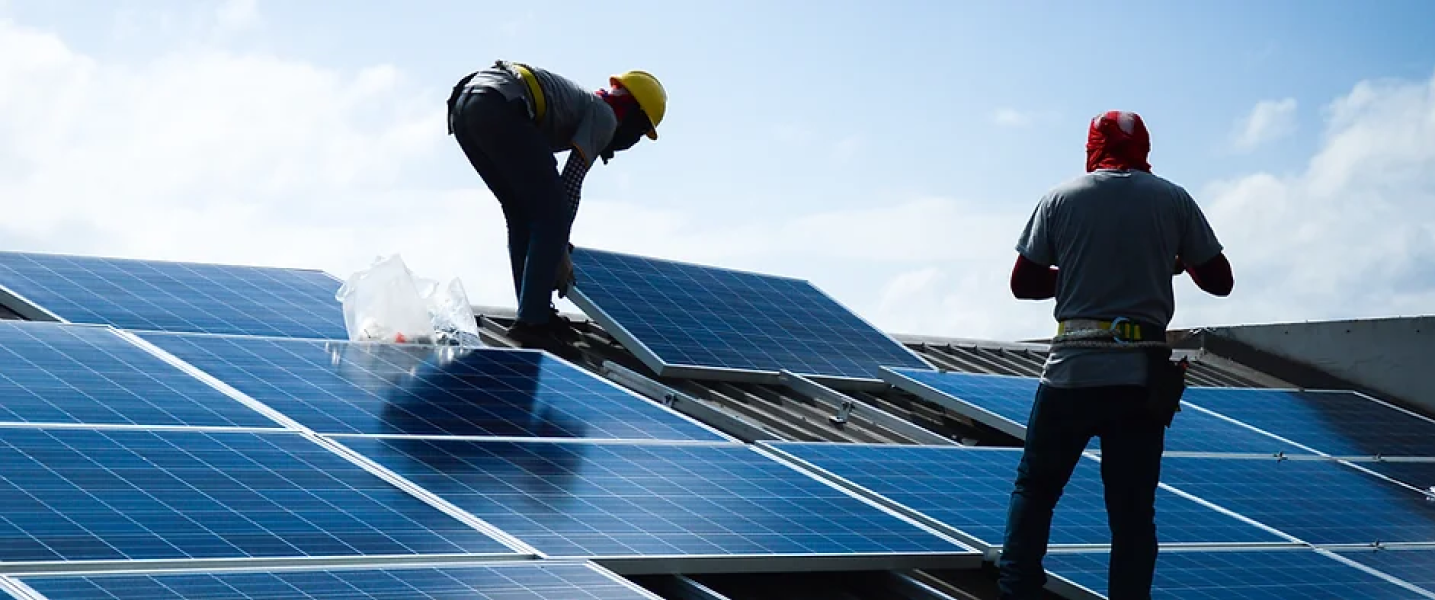
Have you seen "up to 30% more free energy from the sun" while researching rooftop solar? Plenty of brands use that line to sell bifacial panels, and it sounds like an effortless upgrade. It is not the only number that matters for your roof.
This article covers what peer-reviewed Australian research actually found, rather than the marketing range, so you can judge whether the extra spend is worth it for your specific setup.
If you are weighing this up as a homeowner in Sydney, the short version sits ahead of the detail: it comes down almost entirely to how your panels are mounted.
What Are Bifacial Solar Panels?
How they are built
A standard, or monofacial, panel has one active face. Underneath the front glass and cells sits an opaque backsheet, usually white or black, that seals the panel but reflects nothing useful back into it.
A bifacial panel captures light from both the front and the rear. Manufacturers achieve this two ways:
- Transparent backsheet or dual-glass construction. Instead of an opaque polymer rear cover, bifacial panels use a clear backsheet or a second sheet of tempered glass, commonly called glass-glass module design.
- Dual-sided cells. The photovoltaic cells feature contacts and busbars on both sides, leaving the rear surface open to absorb photons rather than blocking them.
How they generate extra power
The front face works identically to a standard module. The rear face generates electricity from indirect light:
- Reflected light (albedo). Sunlight that strikes the surface beneath the panel, such as a roof, ground surface or concrete slab, and bounces upward toward the underside of the array.
- Diffuse light. Ambient sunlight scattered by clouds, air particles and surrounding structures that reaches the rear surface from indirect angles.
The extra energy produced by the rear face is the bifacial gain. That gain is not fixed. It fluctuates continuously with the height of the panel above the surface, the tilt angle, and the reflectivity of whatever sits directly underneath.
How Much Extra Power Do They Actually Produce?
The "up to 30% more power" claim in manufacturer brochures represents an absolute best-case laboratory scenario: a panel elevated high above a snow-covered field or a bright white membrane roof. For a real roof in suburban Sydney, the reality is more nuanced.
What the Australian research says
For an unbiased picture of real-world yield in local conditions, independent academic testing beats factory spec sheets. A 2024 Australian National University study led by Dr Marco Ernst, published in Energy Conversion and Management, modelled rooftop bifacial performance under Australian solar conditions, evaluating how tilt angles, row spacings and roof surface reflectivities affected annual generation.
- Maximum theoretical rooftop gains reached up to 22.6% compared with equivalent monofacial arrays, but only under optimised conditions: elevated tilt frames set over highly reflective surfaces.
- Practical gains for realistic installs ranged between 5% and 15% across standard commercial and residential tilt setups.
- Roof reflectivity (albedo) is the single critical factor. Light-coloured metal roofing allowed the rear face to deliver a meaningful boost, whereas dark roofing materials such as dark Colorbond finishes or terracotta tiles choked off rear-side production almost completely.
Why most flush-mounted roofs will not see it
The vast majority of residential systems in Sydney are flush-mounted, meaning the panels lie parallel to the pitched roof surface on standard 100mm mounting rail. Two problems then prevent bifacial panels from performing:
- Lack of clearance. With only 80mm to 100mm of air space beneath the module, very little ambient or reflected light can physically reach the underside.
- Shadowing from mounting hardware. Rails, roof brackets and cable trays run directly behind the cells, blocking light from entering the rear glass.
Install a bifacial module flush on a dark tile roof and its rear face receives virtually zero reflected light. Bifacial gain drops to 0% to 2%, which makes the extra cost of the panel a complete waste of capital.
A Worked Example: Sydney Residential Tilt Installation
To understand the economics, compare a standard monofacial system against a bifacial system mounted on tilt frames over a light grey metal roof in Sydney.
| Parameter | Monofacial (flush) | Bifacial (tilted) |
|---|---|---|
| Initial system size | 6.6kW | 6.6kW |
| Assumed rear-side yield gain | 0% (baseline) | 12% real yield gain |
| Annual generation | About 9,570 kWh | About 10,718 kWh |
| Additional annual energy | - | About 1,148 kWh |
| Value of extra power (at 24c/kWh) | - | About $275 per year |
| Module premium plus frames | - | About $900 to $1,200 |
| Approximate simple payback on premium | - | 3.3 to 4.4 years |
In this scenario the yield boost pays for the equipment premium in roughly four years. Over the 25 to 30 year life of the system, that extra generation compounds into thousands of dollars of cumulative savings.
Bifacial vs Monofacial: Cost and Durability
The cost premium
Bifacial panels typically cost 10% to 30% more than standard single-sided panels of the same wattage and tier. Global wholesale panel prices have fallen sharply in recent years, but the additional glass layer or specialised clear backsheet still adds manufacturing cost.
If achieving a rear gain requires tilt frames rather than flush mounting, the additional structural racking, roof penetration flashing and engineering design add to the labour and balance-of-system cost too.
Where bifacial wins
Bifacial panels are overwhelmingly built using glass-glass construction rather than glass-and-backsheet, which brings real engineering advantages:
- No backsheet degradation. Traditional polymer backsheets can yellow, crack or delaminate over 15 to 20 years under intense Australian UV. Glass is impervious to UV degradation.
- Micro-crack resistance. Dual-glass modules sandwich the silicon wafer between two rigid sheets of equal thickness, typically 2.0mm each side. That symmetrical structure reduces flexing under high winds and lowers the risk of internal micro-cracks.
- Longer performance warranties. Because glass-glass construction slows moisture ingress and potential induced degradation, top-tier bifacial panels frequently carry 30-year performance warranties, against the 25-year warranties standard on monofacial panels.
Where it loses: hail risk in NSW
Despite the longevity advantages, dual-glass bifacial panels carry a specific vulnerability Sydney building owners should weigh: hail resistance.
Independent testing by PV Evolution Labs and insurance risk assessments highlight a clear structural trade-off. Standard monofacial panels typically use a single sheet of 3.2mm tempered glass on the front face backed by a flexible polymer sheet. Bifacial modules, to keep total weight manageable, usually use 2.0mm tempered glass on the front and 2.0mm on the rear.
Two layers of 2.0mm glass provide excellent rigidity against static loads like wind uplift, but a 2.0mm front sheet has a lower kinetic impact threshold than a 3.2mm sheet. Hit directly by severe hail, 2.0mm glass is statistically more susceptible to top-layer shattering.
Greater Sydney, the Central Coast and the Hunter suffer a disproportionate share of Australia's insured storm damage. For homes in high-risk hail zones, a premium monofacial panel with 3.2mm glass, or a heavy-duty 3.2mm dual-glass panel, may offer better long-term peace of mind than a lightweight 2.0mm bifacial module.
Where Bifacial Panels Make Sense (and Where They Don't)
Where it fits
- Ground-mounted arrays. Free-standing arrays over gravel, crushed rock or light soil naturally offer high clearance and zero rear obstruction. They consistently achieve 15% to 20% or more in yield gains.
- Commercial flat roofs and warehouses. Flat concrete or light metal roofs with white waterproofing membranes are prime candidates. Elevating panels on low-angle tilt racks lets light reflect off the membrane into the rear glass. For companies exploring commercial solar, bifacial modules often deliver the lowest levelised cost of energy.
- Solar carports and pergolas. Overhead canopies where the underside of the panel forms a visible ceiling benefit from ambient ground reflection while providing functional shade.
Where it does not fit
- Flush residential tile roofs. Dark terracotta or concrete tiles absorb over 85% of incoming sunlight and offer zero under-panel clearance.
- Flush dark metal roofs. Dark Colorbond finishes provide virtually no reflective bounce. Installing bifacial panels here yields almost no extra energy while incurring higher hardware costs.
The middle ground: tilt frames on a home roof
Can you put bifacial panels on a home roof and get a genuine return? Yes, provided you use customised mounting. Engineered tilt frames angle the panels 10° to 15° off the roof deck, introducing the air gap light needs to reach the underside. Paired with a light-coloured metal roof, that configuration yields meaningful extra generation.
You can view real-world examples of our tailored mounting frames across our bespoke projects, including custom residential tilt arrays installed across Sydney's Eastern Suburbs.
Are Bifacial Panels Still Eligible for the STC Rebate?
Yes, bifacial panels are fully eligible for the STC rebate, provided two standard compliance conditions are met:
- CEC product approval. The specific panel model must be tested, certified and listed on the Clean Energy Council approved products list. All reputable tier-1 bifacial panels sold in Australia hold this listing.
- Accredited installation. The system must be designed and installed by a professional holding current Solar Accreditation Australia accreditation, which replaced the CEC's installer accreditation scheme.
Worth noting: STC calculations are based strictly on the panel's front-face nameplate rating. You do not receive additional certificates for expected rear-side gain. The rebate still significantly reduces the upfront cost of the system, which makes the marginal price difference for bifacial hardware easier to absorb.
Frequently Asked Questions
How do bifacial solar panels work?
They generate power from both faces. The front captures direct sunlight the same way a standard panel does, and the rear captures light reflected off the surface underneath. How much that adds depends on the roof's reflectivity and how much clearance the panel has.
Are bifacial solar panels worth it for a home in Sydney?
For a standard home with panels mounted flush against dark roof tiles or dark metal sheets, generally no, because the rear face receives almost no light. If your home has a light-coloured metal roof and your installer uses tilt frames to create clearance, bifacial modules can deliver a 10% to 15% boost and pay off the premium in a few years.
Do bifacial panels cost more to install?
Yes, typically 10% to 30% more than an equivalent monofacial panel. Whether that premium pays back depends entirely on getting the mounting and roof surface right, not on the panel alone.
How do bifacial panels compare to standard panel types?
Bifacial is a construction choice rather than a cell technology. Nearly all bifacial modules sold in Australia use monocrystalline cells, so the monocrystalline versus polycrystalline comparison still applies underneath.
Conclusion
Bifacial technology is neither a universal magic bullet nor a marketing gimmick. It is an effective engineering solution that delivers proven gains, provided it is deployed in the right environment.
If your property has a ground-mount site, a commercial flat roof with a white membrane, or space for elevated tilt frames over a light roof, paying the premium is one of the most effective ways to lift daily output. If your system will be flush-mounted on a pitched dark residential roof, a high-efficiency monofacial system remains the smarter, more cost-effective choice.
Deciding whether to upgrade requires the same site-specific analysis as deciding whether a solar battery is worth it for your consumption profile. Our SAA-accredited engineers can tell you which category your roof falls into with a single site assessment. Request a proposal and get a straight answer before you pay a premium for technology your roof might never use.
Filed under