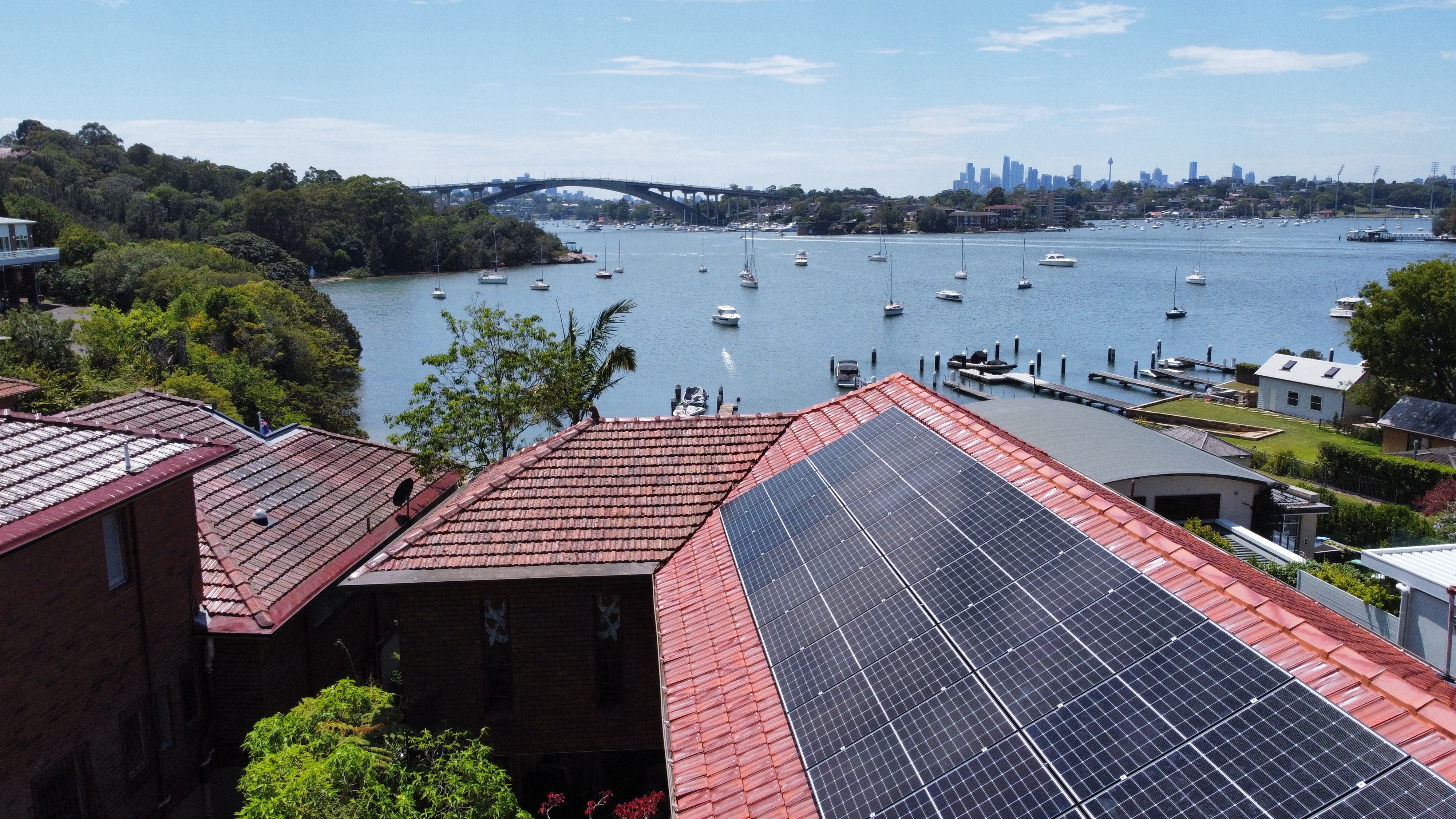
Although solar panels are often considered "set-and-forget" systems due to their lack of moving parts and ability to operate for decades with minimal intervention, being low-maintenance does not mean they are entirely maintenance-free.
So, do solar panels require maintenance? Yes, they do. While the panels themselves require minimal daily attention, the entire system functions best with consistent monitoring, periodic cleaning as needed, and a professional electrical service approximately every two years, as recommended by Solar Accreditation Australia.
A complete solar setup goes beyond just the panels. It also includes the inverter, wiring, isolators (switches that disconnect power to different parts of the system), and, for numerous Sydney households, a battery storage unit.
Since these individual components age at different rates, merely cleaning the glass surface will not reveal hidden electrical issues, such as a loose connection or an underperforming inverter.
This guide will break down what maintenance actually involves, how often your system truly needs it, which tasks you can safely handle on your own, and when you should contact licensed specialists like Guwing Green.
What Does Solar Panel Maintenance Actually Include?
While people often think of solar panel maintenance as just cleaning, that only scratches the surface. A complete maintenance approach actually includes these four key areas:
- Performance monitoring. Keeping an eye on generation data, inverter alerts, and any change in how much electricity you're importing or exporting.
- Visual checks. Looking for debris, new shading, damaged panels, corrosion, or signs of animal activity, all done from ground level.
- Panel cleaning. Washing the panels when dirt is actually likely to be affecting output, not on a fixed calendar.
- Professional electrical servicing. Inspection and testing of the parts you shouldn't touch yourself: wiring, connections, protection devices, isolators and the inverter.
Cleaning gets most of the attention because it's the part you can see. The electrical side is where most genuine safety issues and performance losses turn up.
How Often Should Solar Panels Be Maintained?
While every rooftop is unique and requires a customised schedule, this can be a practical starting point:
| Maintenance activity | Practical timing |
|---|---|
| Check monitoring data and alerts | Monthly |
| Look at panels from ground level | Every few months |
| Check the inverter exterior and ventilation | Every few months |
| Check for new shading or vegetation | At least annually |
| Clean panels | When visibly soiled, or performance suggests it's needed |
| Professional system service | At least every two years, or per your installer's and manufacturer's schedule |
| Additional inspection | After severe storms, hail, flooding, roof work, pest activity, or unexplained underperformance |
Solar Accreditation Australia recommends a professional service at least once every two years. But that's just a starting point, and it depends on:
- The manufacturer's instructions for your panels, inverter and battery
- The system's age and design
- Roof access and panel tilt
- Nearby trees and birds
- Coastal salt, dust, or industrial pollution
- Commercial operating requirements, if it's a business system
- Warranty, insurer, or maintenance-agreement conditions
Solar Maintenance Checks You Can Safely Do Yourself
You don't need to be an electrician to keep tabs on your system. These are worth doing regularly, all without leaving the ground.
Check your monitoring app
Confirm the system is generating and check for fault notifications. Compare similar periods, a sunny Tuesday against last month's, rather than a cloudy day against a sunny one, and watch for sudden or persistent drops rather than small daily swings.
Look at the inverter from the outside
Check for warning lights or error codes, keep ventilation openings clear, and make sure nothing's stacked against it. Clear any build-up of dust, cobwebs or vermin, but don't remove covers or touch anything inside.
Look at the panels from the ground
Leaves or heavy debris, large bird-dropping deposits, new shading, broken glass, panels that look shifted, or signs of nesting are all worth mentioning at your next service.
Keep trees and vegetation under control
Shading can creep in over the years as trees grow, even on a system that was correctly designed when it went in.
Keep your paperwork together
Installation documents, shutdown instructions, panel and inverter model details, warranty documents, monitoring logins, and any past inspection or repair reports.
Your installer must provide documentation on how to safely use and maintain your system, so keep it somewhere you can actually find it. It saves time if something goes wrong, and can matter for a warranty claim.
Do Solar Panels Need Cleaning?
Sometimes, but less often than a lot of cleaning services would have you believe.
Rain does most of the work on a properly tilted roof. SolarQuotes notes moderate to heavy rain cleans panels well, and most Australian roofs are pitched steeply enough for it to work.
The main exception is overhanging trees, where birds perching and dropping repeatedly can outpace what rain clears, and lichen, once established, generally needs manual removal rather than washing away.
Flat or low-tilt panels are the other exception: water doesn't drain as effectively, so residue builds up faster and may need an occasional hose down.
Properties near dusty roads, construction sites, industrial emissions or the coast can accumulate grime faster too, simply because there's more airborne material to settle on the glass.
The honest answer: cleaning should be based on what's actually happening to your panels, not a blanket rule that every system needs a wash every six or twelve months.
Cleaning is not a substitute for servicing. A panel can look spotless and still have damaged wiring, an inverter fault, or a loose connection, none of which is visible from the ground.
Can You Clean Solar Panels Yourself?
Hiring a qualified professional to clean your solar panels is always the safest approach, as it minimises the risk of falls, electrical hazards, and accidental equipment damage.
That said, performing basic cleaning from the ground may be feasible if:
- The panels can be reached without climbing
- The panel manufacturer permits a proposed cleaning method
- No electrical components need to be approached
- The work can be completed without resting tools or equipment on the panels
If your manual permits cleaning from the ground level, here is how you can proceed:
- Follow the panel manufacturer's instructions first
- Use a gentle flow of water, not a jet
- Stick to non-abrasive equipment rated for the panel surface
- Clean during a cooler part of the day, to avoid thermal shock and streaking
- Stop if you can't safely reach the panels from the ground
And here's what you should not do:
- Don't climb onto the roof without proper training and fall protection
- Don't stand, sit, or rest equipment on the panels
- Never use a pressure washer, since it can force water past seals and damage components
- Skip abrasive brushes, metal tools, or harsh chemicals
- Don't touch cables, connectors, isolators, or any electrical enclosure
- Don't assume the panels are electrically safe just because the inverter or mains power is off
That last point matters more than people expect. Panels generate their own direct current (DC) electricity any time they're in daylight, and SafeWork Australia confirms a solar system can stay hazardous even when it's been switched off or shut down at the switchboard.
That's why wiring work on a solar system is restricted to licensed electricians under NSW law, and why a damaged panel or exposed cable should always be treated as live.
What a Professional Solar Maintenance Service Usually Includes
There is no single fixed checklist for every service. The scope should reflect the system's design, size, location, age and symptoms.
Before booking, ask the provider to explain exactly what will be inspected and tested. A thorough service may cover the following areas.
- Panel and array inspection: cracked or damaged modules, discolouration, abnormal soiling, signs of water entry, animal or pest damage.
- Mounting and roof inspection: loose or deteriorated hardware, corrosion, storm damage, roof penetration issues, and safe array access.
- Cabling and electrical components: damaged insulation or conduit, loose or overheating connections, water in enclosures, and the condition of isolators, protection equipment and earthing.
- Inverter inspection: fault history and warning codes, ventilation and heat dissipation, electrical operation, and the monitoring connection.
- Performance assessment: comparing measured output against expected output, and identifying whether any shortfall is weather, shading, soiling, a fault, or a site change.
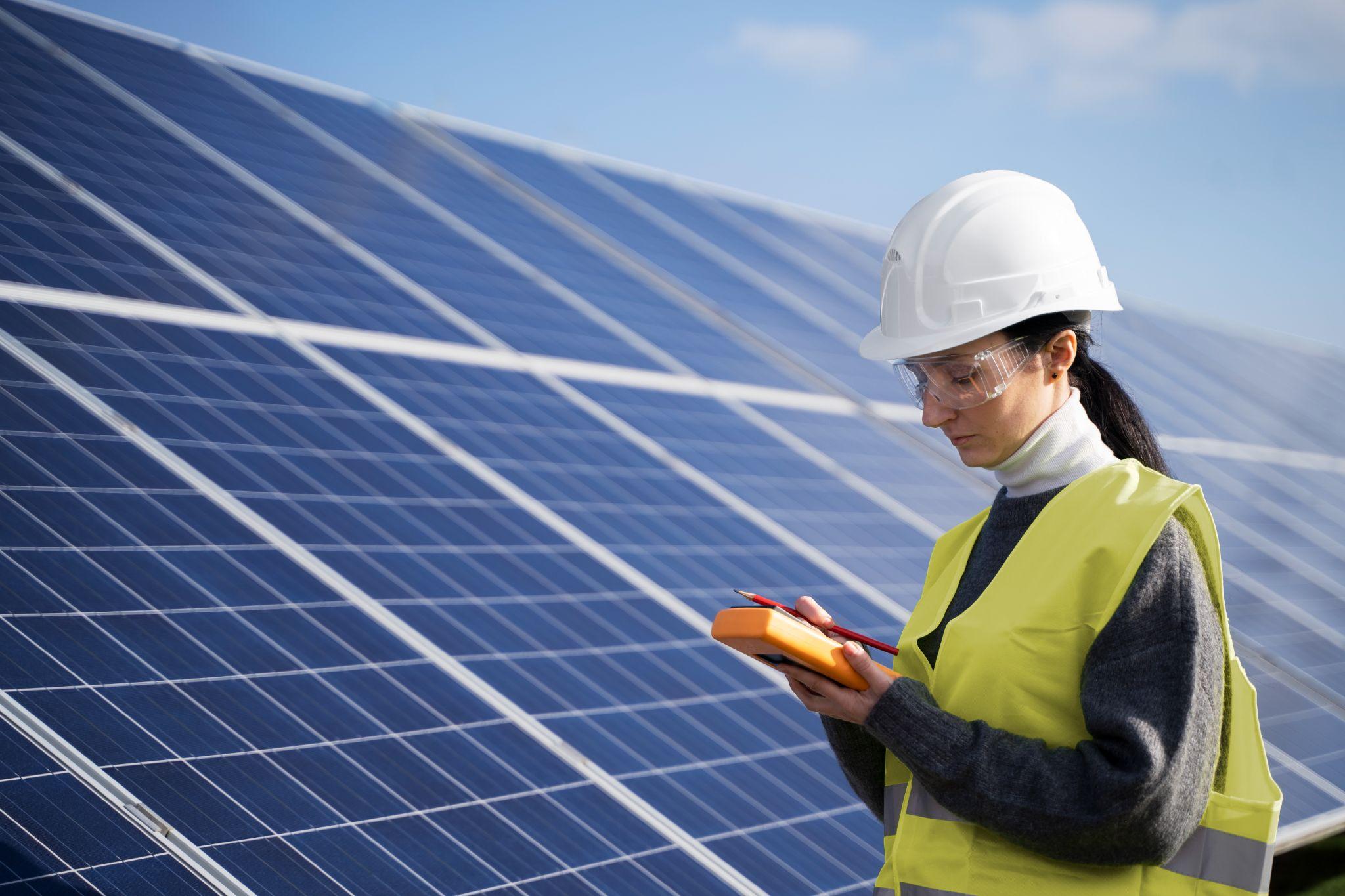
Instead of accepting a simple verbal "all good", always demand a written report. Make sure to obtain a quote detailing the precise scope of work and request a comprehensive record of all checks, findings, and repairs.
Every system we design and install at Guwing Green comes standard with this high level of service. After your system is switched on, your point of contact remains completely unchanged. This means you only need to call a single phone number for any warranty claims, system expansions, or monitoring questions.
Our SAA-accredited engineers design each system, and our SAA-accredited installers bring over 25 years of experience to the installation. Therefore, any future service visits are conducted by the very people who understand exactly how your system was constructed.
Warning Signs That Your Solar System Needs Attention
Rather than waiting for your next scheduled service, take action immediately if your system starts showing signs of a problem.
You should get in touch with our team if you observe any of the following:
- A sudden or ongoing fall in generation
- An inverter warning light or a recurring error code
- One part of a monitored system consistently producing less than the rest
- Grid consumption that's crept up without an obvious reason
- Export levels dropping without a change in weather or household use
- Visible cracked or displaced panels
- Burn marks, melting, or discolouration near electrical equipment
- Unusual smells, heat, or noise near the inverter
- Water entry, corrosion, or damaged conduit
- Nesting birds or chewed cables
- A monitoring system that's stopped communicating
- A system that keeps disconnecting from the grid
A high electricity bill alone doesn't prove a solar fault. Bills are also shaped by your consumption, tariff, the season and your meter's billing period, so it's worth checking your monitoring data before assuming something's broken.
Urgent safety warning: if you notice smoke, a burning smell, arcing, exposed wiring, serious physical damage, or water pooling around electrical equipment, stop what you're doing, stay away from the equipment, and call us straight away.
Common Solar Maintenance Problems
- Dirt and uneven soiling. Debris often collects unevenly across an array, so part of a string can underperform while the rest looks fine.
- New or changing shade. Growing trees, a new building next door, or even an aerial or roof equipment can shade panels that were shade-free at installation.
- Inverter and communication faults. A genuine inverter fault differs from the inverter briefly shutting down because of grid conditions, or a monitoring app that's simply lost internet connection, and telling them apart takes some diagnosis.
- Cable, conduit and connector wear. Weather, heat, UV, pests and general disturbance take a toll over time, including on the rooftop DC isolator. This is inspection territory, not a DIY job.
- Corrosion. More relevant on coastal properties, or where the wrong components were used for the site's conditions.
- Cracked or damaged panels. Not all damage is visible. Hairline cracks can develop from transport or installation and worsen slowly, which is why professional assessment matters.
- Birds and vermin. Nesting, droppings and chewed cables are common. Any deterrent should never block airflow or drainage, or it can cause problems of its own.
How Much Does Solar Panel Maintenance Cost?
Solar maintenance costs vary widely across Sydney and NSW. The actual expense is determined by a variety of key factors:
- The size of the system, residential or commercial
- How many panels there are and where they're positioned
- Roof height, pitch, and how easy the array is to access
- Whether specialist access equipment is needed
- Whether you're paying for cleaning only, or electrical inspection and testing too
- How much fault-finding time is involved
- Any replacement parts required
- Travel and site location
- Whether a written report is included
Ask for an itemised quote that states exactly what's covered: cleaning, electrical testing, fault diagnosis, reporting, and any minor repairs.
Good Solar Design Makes Future Maintenance Easier
Many future maintenance problems can be traced directly to decisions made during installation rather than issues that arise later on.
A well-thought-out system design should plan for:
- Inverter placement that's actually accessible, not wedged somewhere awkward
- Adequate ventilation around the inverter
- Sensible cable routing
- Materials suited to coastal or corrosive environments
- Panel layouts that account for shade and drainage, not just square metres
- Clear access to monitoring
- Room to add a battery or expand the system later
- Documentation another qualified professional can actually follow
Every system at Guwing Green is designed and managed by SAA-accredited engineers, ensuring that environmental exposure, monitoring, long-term usability, and maintenance access are integrated during the design phase rather than left as afterthoughts.
Not sure whether your system is dirty, faulty, or just no longer suited to how you use energy? If you'd like an SAA-accredited engineer to look at monitoring or aftercare for your system, talk through warranty support, plan an expansion, add battery storage, or run an energy audit to check it still matches your load, get in touch with our engineers.
FAQs About Solar Panel Maintenance
How often should solar panels be serviced?
As a general guide, every two years, but always check your installer's and manufacturer's recommended schedule first, since it can vary by system.
How often should solar panels be cleaned?
It depends on dirt, panel tilt, local conditions and actual performance, not a fixed six or twelve month rule. If your panels look clean and are performing normally, they probably don't need washing yet.
Is rain enough to clean solar panels?
Usually, on a properly tilted roof. SolarQuotes notes moderate to heavy rain does the job on most Australian roof pitches. However, it's less reliable under overhanging trees with heavy bird activity, on flat or low-tilt arrays, or once lichen has taken hold.
Can I clean solar panels myself?
Only from a safe, ground-level position, by following the manufacturer's instructions. Don't climb onto the roof or touch any electrical components.
Can I use a pressure washer on solar panels?
No. High-pressure water can force its way past seals and damage components.
How can I tell if my solar panels are underperforming?
Watch your monitoring app for fault alerts, and compare similar weather and seasonal periods rather than one day to the next. An ongoing drop that isn't explained by weather is worth a professional performance check.
Who should service a solar system?
A licensed electrician holding Solar Accreditation Australia (SAA) accreditation, the current national scheme for solar design and installation, which replaced the former Clean Energy Council installer accreditation in 2024.
Should I turn my solar system off during a storm?
Don't improvise. Follow the shutdown procedure that came with your system, and if you're unsure, contact your installer rather than guessing.
Do solar panels still produce electricity when switched off?
Yes. A panel generates its own direct current (DC) electricity any time it's exposed to daylight, whatever position a switch is in. SafeWork Australia confirms solar systems can be hazardous even when shut down at the switchboard, which is why damaged panels and wiring always need to be treated as live.
Does a solar battery need separate maintenance?
Yes. Batteries have their own manufacturer requirements, safety checks and firmware updates. Installation must follow specific standards, including ventilation, because batteries can release hydrogen gas while charging. A battery installed under a government rebate must also be maintained by an accredited professional (like Guwing Green) to stay compliant.
Conclusion
Solar panels really are low-maintenance, which is one reason home solar power is worth it for most Australian households. But low isn't none, and that gap is where minor issues turn into expensive ones.
A monthly look at your monitoring app, an occasional glance at the panels and inverter, and a professional service roughly every two years will catch almost everything that matters.
If a system is designed properly in the first place, staying on top of it is straightforward. That's the thinking behind every system Guwing Green installs: built by SAA-accredited engineers with the next 25 years in mind, not just the day it's switched on.
Filed under