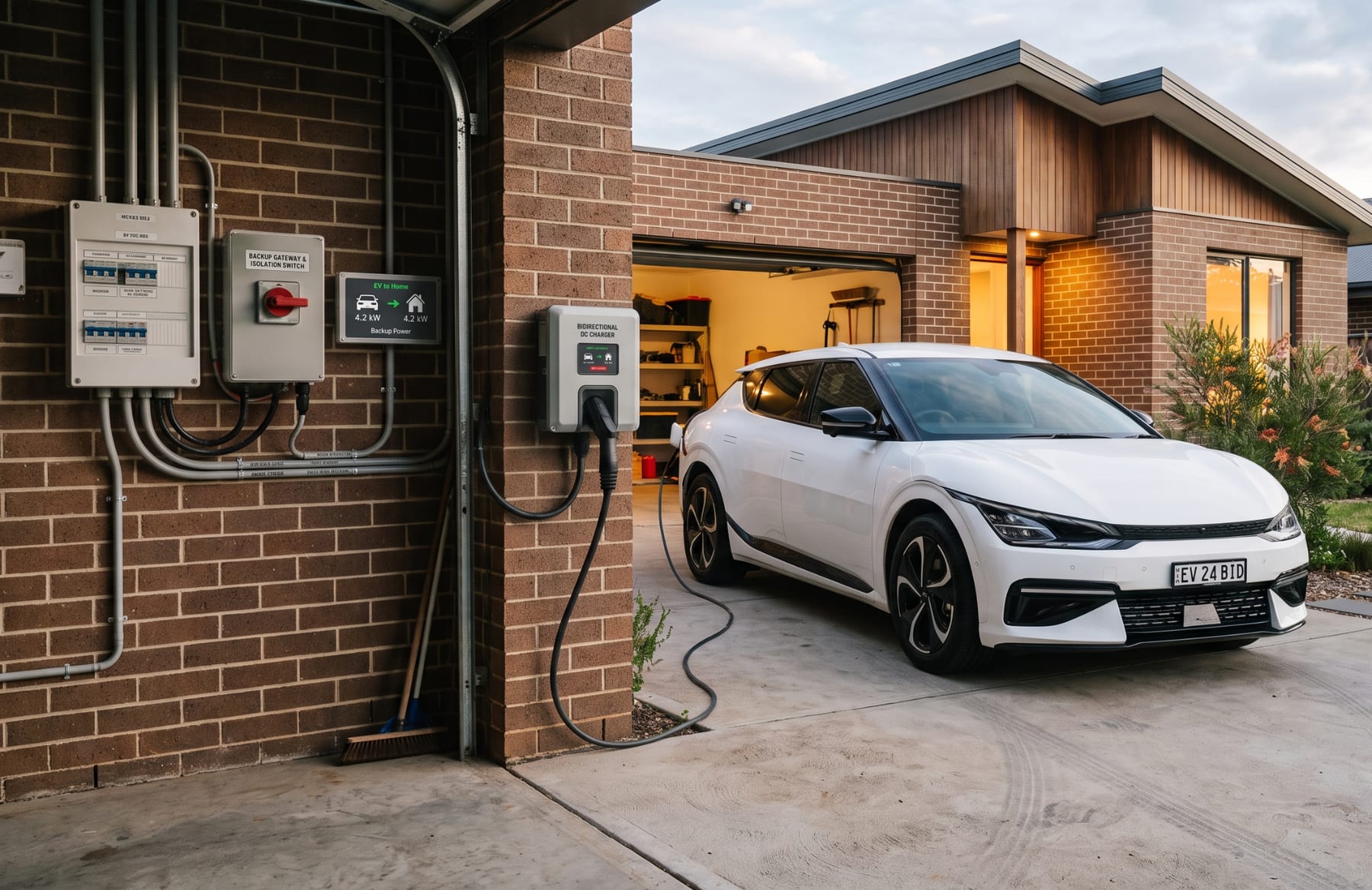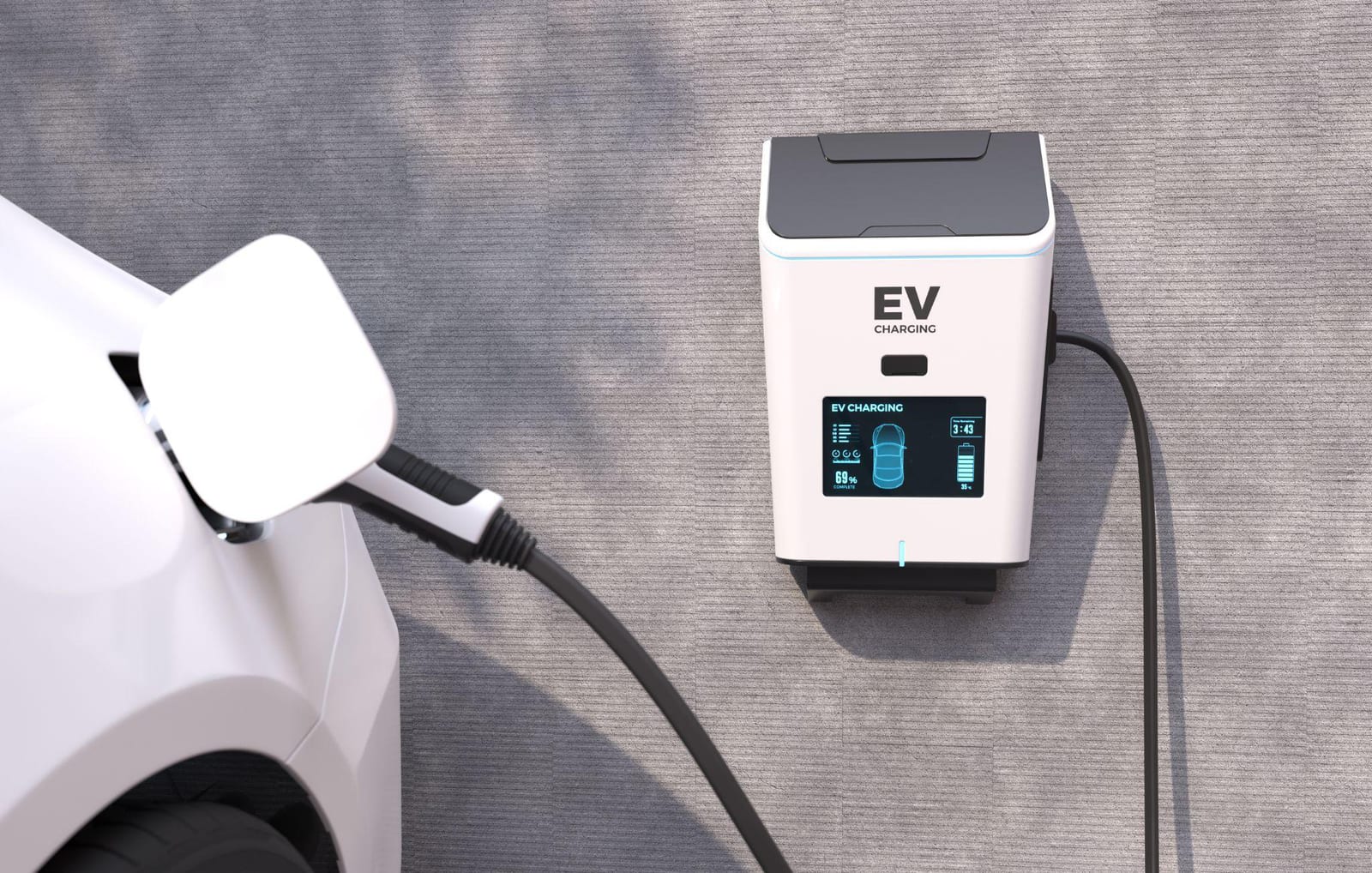

Vehicle-to-grid (V2G) is no longer just a future concept as it is already being trialled and rolled out across parts of Australia, giving EV owners the ability to send unused battery power back into the grid or into their home.
As more households invest in solar and battery storage, V2G is becoming one of the most talked-about developments in energy. But there is one catch: not every EV charger supports it.
If you are researching V2G Australia options, this guide breaks down the chargers currently available, how they compare, and what to consider before buying.
What is V2G?
V2G allows your EV to act like a battery for your home or the electricity grid. Instead of only charging your car, a V2G-compatible charger can also discharge electricity from your car battery when needed.
Some of the things you can do with it include:
- Use your EV battery to power your home during peak pricing
- Export excess energy back to the grid
- Store surplus solar energy during the day
- Reduce overall electricity bills
How Does V2G Work in Australia?
In Australia, V2G is especially relevant because of high rooftop solar adoption and rising energy prices. For V2G to work, you need three things:
- A V2G-capable electric vehicle
- A bi-directional charger
- Approval from your electricity distributor
The last point matters. Australia's grid rules are stricter than standard EV charging because exporting power adds extra technical requirements. Some DNSPs still have limited approvals, although this is changing quickly.
Available V2G EV Chargers in Australia Compared
Here is a breakdown of the most notable V2G charger options currently available or entering the Australian market.
1. Wallbox Quasar 1
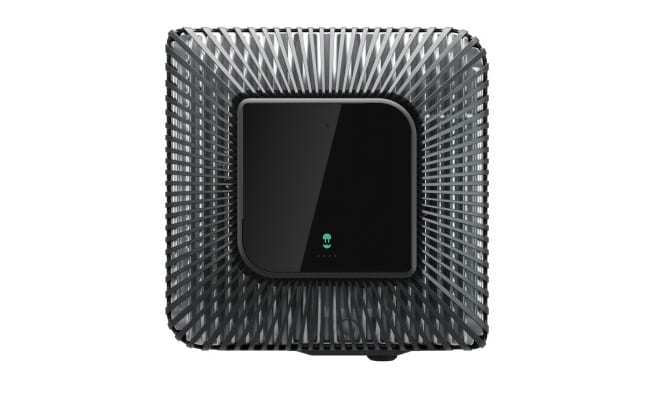
The Wallbox Quasar 1 is the most recognised V2G charger globally and one of the first to reach Australia through pilot programs. At the moment, its biggest limitation in V2G Australia is compatibility because it mainly works with older Nissan Leafs.
Best for: Nissan Leaf owners
Key specs:
- 7.4kW bi-directional charging
- DC charger
- Compact wall-mounted design
- CHAdeMO connector
Pros:
- Proven V2G functionality
- Small footprint
- Strong software platform
Cons:
- Limited vehicle compatibility
- CHAdeMO only
- Expensive compared to standard chargers
2. Wallbox Quasar 2
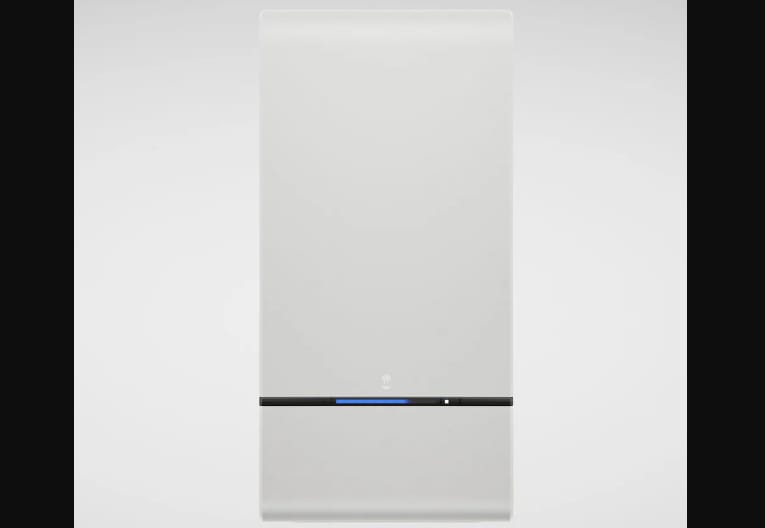
The newer Quasar 2 improves significantly on the original. It supports CCS, which opens compatibility with more modern EVs.
Best for: Future-proof installations
Key specs:
- Up to 12kW bidirectional charging
- CCS support
- Backup power capability
- Solar integration
Pros:
- Better EV compatibility
- Faster charging
- Home backup support
Cons:
- Limited Australian rollout so far
- Pricing still premium
3. Sigenergy Sigen EV DC Charger
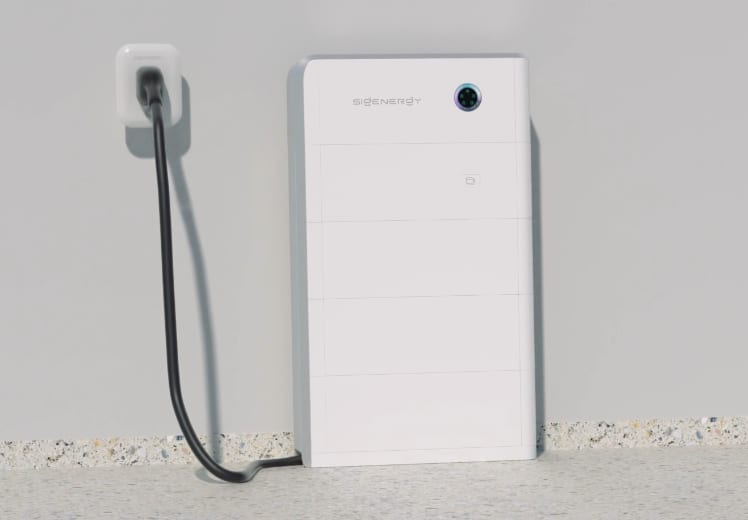
Sigenergy has gained serious attention in Australia because of its all-in-one ecosystem. Its V2G-ready charger integrates with solar, battery storage, and home energy management.
Best for: Solar-heavy households
Key specs:
- DC bidirectional capability
- Integrated with SigenStor battery
- Smart load management
- Modular design
Pros:
- Strong solar integration
- Modern ecosystem
- Scalable
Cons:
- Requires broader Sigenergy system for full functionality
- Newer product with less long-term data
4. Amber + RedEarth V2G Systems
Amber Electric and RedEarth Energy Storage have been active in V2G trials. Their systems focus more on home energy optimisation than standalone charging.
Best for: Energy traders and advanced users
Key benefits:
- Dynamic energy pricing integration
- Solar optimisation
- Battery arbitrage opportunities
What to Consider Before Installing: Is V2G Actually Worth It in Australia?
While the concept of V2G technology sounds incredibly appealing, the reality of making it work for your home comes down to a few practical, on-the-ground considerations.
Not all V2G chargers are created equal, and understanding exactly what to look for is the key to determining whether the investment makes sense for your lifestyle.
Before you commit to an installation, you need to thoroughly evaluate these critical factors:
- Strict Vehicle Compatibility. While the technology is rapidly advancing, a large portion of the electric vehicles currently sold in the Australian market still do not support bi-directional charging. You must verify that your specific EV model is V2G-capable before you even begin planning.
- Grid Approval and Network Limits. Your local energy network holds the keys to your setup. Many local grids have strict export restrictions or require specific technical approvals before you can start sending power back into the system, so checking with your energy provider early is essential.
- Strategic Solar Integration. If you already have a rooftop solar system installed, pairing it with a V2G setup makes the financial economics significantly stronger. You can store your free, abundant daytime solar energy in your car's battery and use it to power your home through the expensive evening peak.
- Total Installation Costs. It is important to remember that bi-directional chargers carry a higher upfront cost compared to standard EV chargers. Additionally, implementing this technology safely often requires comprehensive switchboard upgrades, which need to be factored into your total development budget.
FAQs
Which EVs support V2G in Australia?
Currently, the most commonly recognised V2G-capable model is the Nissan Leaf. More CCS-compatible vehicles are expected to join soon.
Is V2G legal in Australia?
Yes, but local network approvals vary depending on your area and distributor.
How much does a V2G charger cost?
Expect anywhere from $8,000 to $15,000+ installed, depending on the system.
Can I use V2G with solar?
Yes. In fact, combining solar with V2G is where the biggest savings often happen.
Is V2G the same as V2H?
No. V2H (vehicle-to-home) powers your house only. V2G can export to the grid.
Conclusion
As national energy prices continue to fluctuate, having complete control over how and when you use your power is an asset that is only becoming more valuable. So, it's easy to see why V2G is moving fast in Australia.
While the market is still small, more charger options are arriving and compatibility is improving. If you are planning solar, battery storage, or an EV upgrade, now is a smart time to start looking at V2G Australia solutions.
If you want to get deeper insights about the right setup for V2G, our engineering team at Guwing Green will be happy to help you out! Contact us today so that you can make the right decision for your V2G EV charger options.
Filed under