If you are researching EV charger installation in Sydney, there are several charging options to weigh up. The right setup depends on more than the charger itself.
Your EV, electrical supply, switchboard, parking location and charging habits all affect the installation and what it costs.
A home charger makes everyday charging more convenient and can work alongside an existing solar system. Before buying one, it is worth understanding your options and checking whether your home is actually ready for the install.
How Much Does EV Charger Installation Cost in Sydney?
The cost varies with the property and the charger you choose. As a general guide, a straightforward residential installation runs somewhere around $1,500 to $3,500 including the charger. More complex installations cost more.
The final price is driven by the distance between your switchboard and the charger, the condition of your existing electrical system, the cable route and whether any additional electrical work is required.
When you compare quotes, check whether the price includes:
- The EV charger hardware itself.
- Installation and labour.
- Cabling and conduit.
- Electrical protection.
- Any switchboard work.
- Testing and commissioning.
A charger installed close to a suitable switchboard needs considerably less work than one at the far end of a long or difficult cable route. That is the main reason two quotes for the same charger can look nothing alike, and it is the same principle we apply in our guide on how to read a solar quote.
What EV Charger Should You Choose?
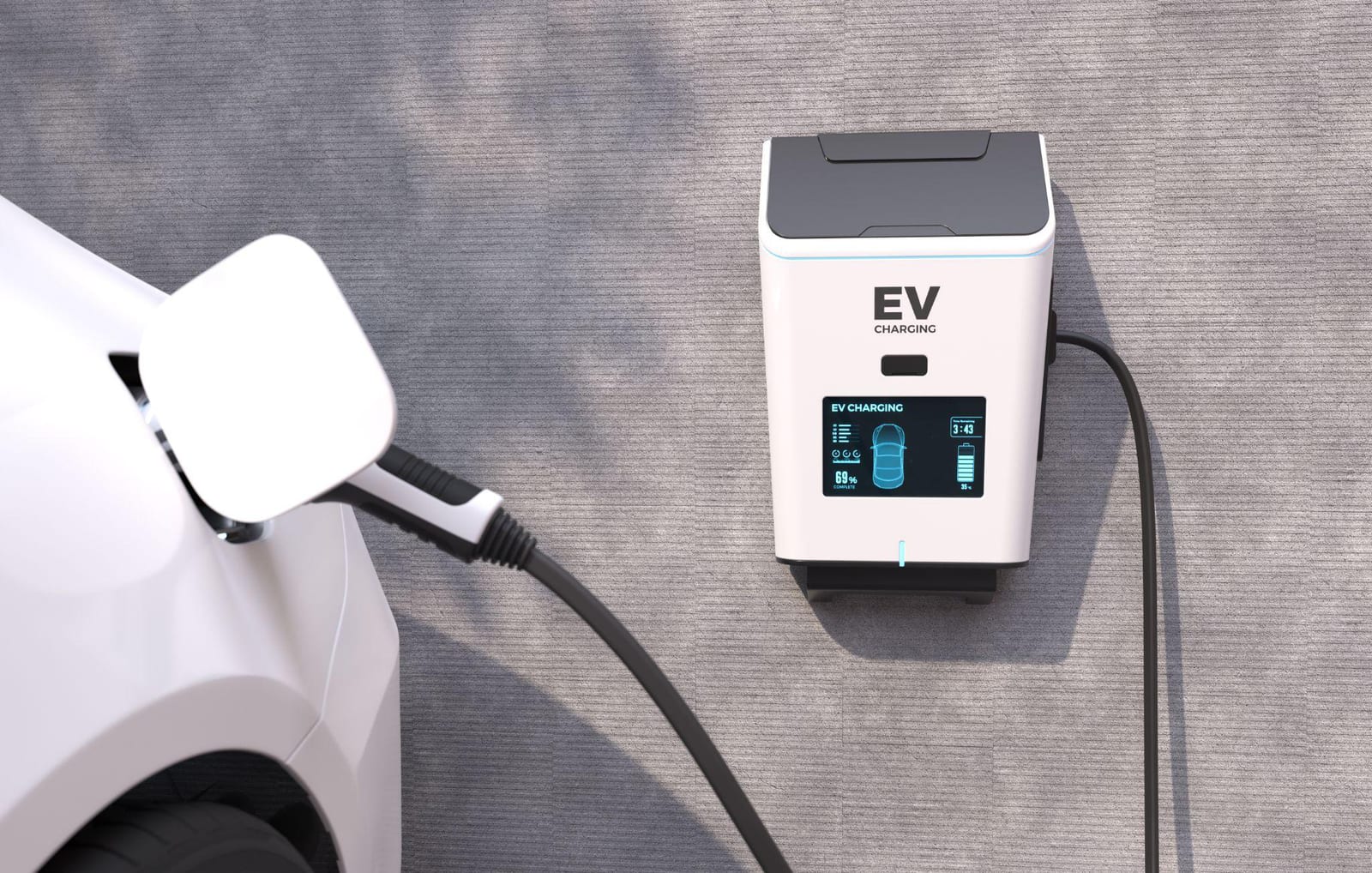
Home EV chargers come at different power levels. The best option depends on your vehicle and how you use it, not on which number is biggest.
| Charger | Supply typically required | Best suited to |
|---|---|---|
| 7kW | Single-phase | Most Sydney homes charging overnight |
| 11kW | Three-phase | Higher daily kilometres, if the EV accepts 11kW AC |
| 22kW | Three-phase with spare capacity | Homes with high demand and a vehicle that can use it |
7kW EV Chargers
A 7kW charger is the common option for homes with single-phase power. For most drivers it replaces the energy used during the day while the car sits in the driveway overnight, which is all a home charger really needs to do.
11kW EV Chargers
An 11kW charger charges faster but generally needs a suitable three-phase supply. Before choosing one, check whether your EV can actually accept an 11kW AC charge. Plenty cannot.
22kW EV Chargers
A 22kW charger offers a higher charging rate, but it is not automatically the better choice. Your home needs sufficient electrical capacity and three-phase power, and your vehicle has to support the relevant AC charging rate. For most households a 7kW or 11kW charger is the more practical answer.
Paying for a 22kW charger that your car can only draw 7kW from buys you nothing except a bigger cable and a bigger bill.
What to Check Before Installing an EV Charger
Before arranging EV charger installation in Sydney, there are five things worth checking.
Your Switchboard
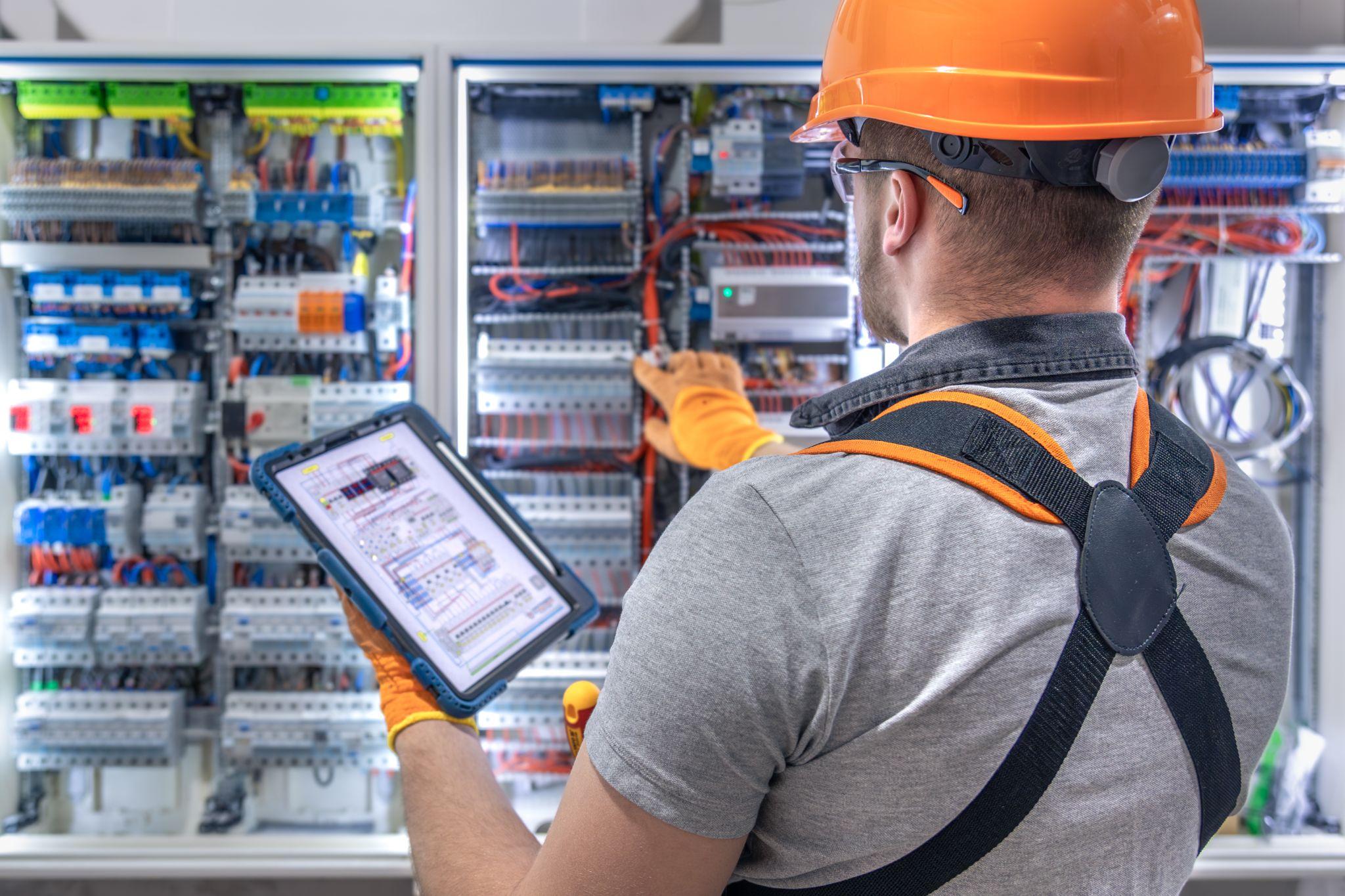
Your switchboard has to safely carry the additional load. An electrician should assess its condition and available capacity before installation. Older switchboards may need extra work or a full upgrade, and that is better found before the quote than during the install.
Your Electrical Supply
Find out whether your home has single-phase or three-phase power. Single-phase supports most residential EV charging setups, while three-phase becomes relevant for higher-powered chargers. Depending on the charger you choose, you may also need to notify your distributor, Ausgrid across most of Sydney, or lodge a formal connection application before the work goes ahead.
Your Parking Location
Think about where the car is normally parked and where the charger should sit. A convenient position makes daily charging easier and usually reduces the amount of cabling required.
The Cable Route
The distance between switchboard and charger has a direct effect on cost. A short, accessible route is far simpler than running cable through walls, ceilings, external areas or underground sections.
Your EV's Charging Capability
Check your vehicle's maximum AC charging rate before choosing a charger. There is little benefit in installing a higher-powered unit if the car cannot take advantage of it.
Can You Charge an EV Using Solar?
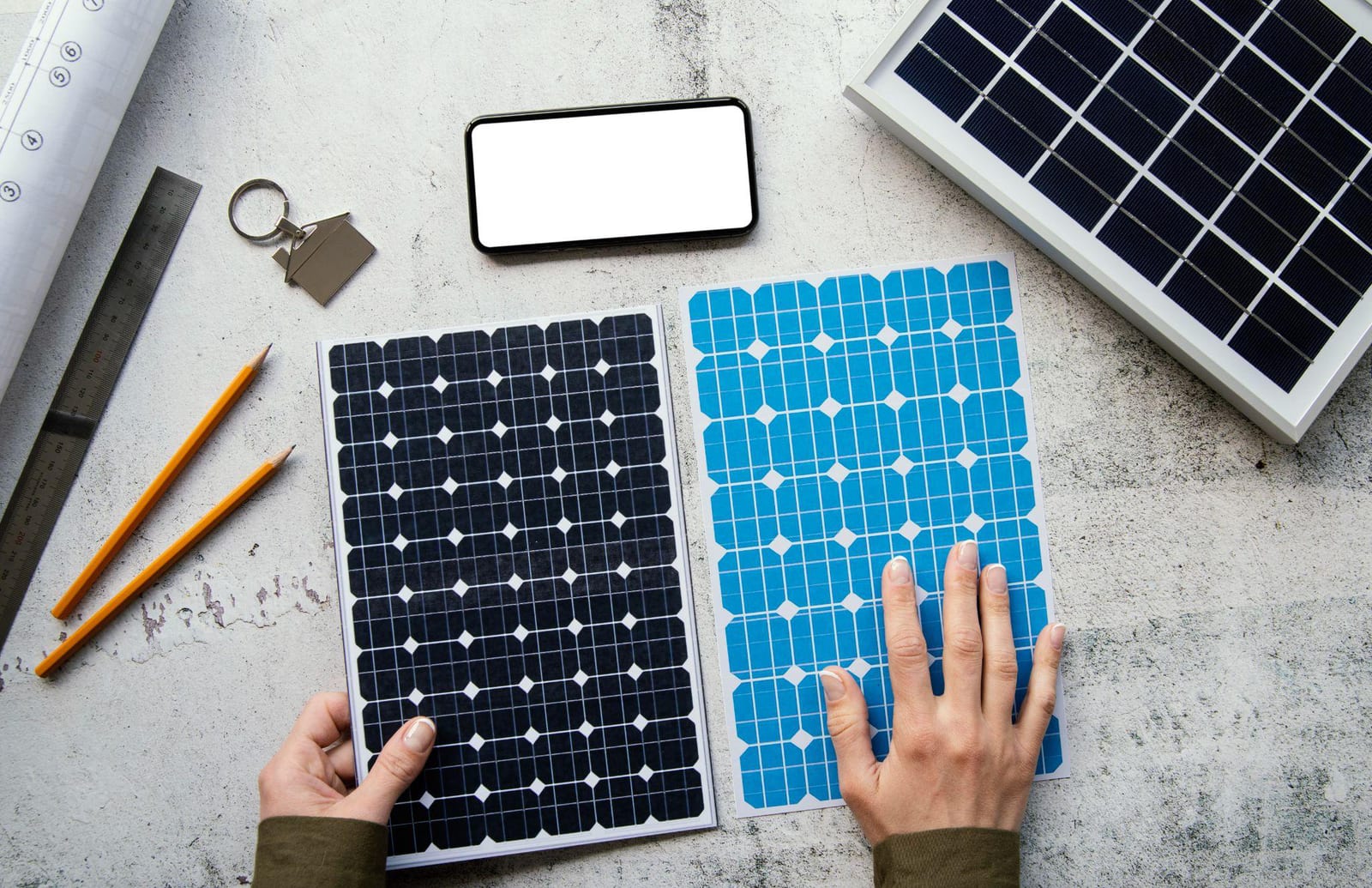
Yes. If your home has solar panels, an EV charger can be integrated with your solar system so more of your driving runs on electricity you generated yourself rather than electricity you bought.
How well that works depends on:
- Solar system size.
- Household electricity usage during daylight hours.
- When the EV is normally at home.
- The vehicle's charging requirements.
- Charger capabilities, including whether it can follow surplus solar.
- Whether you have battery storage.
If the car is usually parked at home during the day, you can shift a large share of your charging onto your own generation. That is the same self-consumption question that decides whether a solar system pays for itself, applied to a much larger load.
It is worth considering solar, battery and EV charging together rather than treating the charger as a standalone installation. If you are looking further ahead, bidirectional charging and the V2G chargers now available in Australia change that calculation again, because the car starts acting as storage for the house.
How to Choose an EV Charger Installer in Sydney
Do not base the decision solely on the cheapest quote. Before choosing an installer, ask:
- Are they appropriately licensed for electrical work in NSW?
- Have they installed EV chargers before?
- Will they inspect the switchboard first?
- Is the charger suitable for your specific EV?
- What exactly is included in the quoted price?
- Can the charger work with your existing solar system?
- Are testing and commissioning included?
A good installer should be able to explain why a particular charger and installation approach suits your property. If the answer is only that it is what they always fit, keep looking.
For homeowners considering solar and EV charging together, it helps to work with a company that understands the whole energy system rather than looking at the charger in isolation.
Are There Rebates for EV Chargers in NSW?
Government incentives change, so check current eligibility before relying on a rebate or loan when budgeting for a charger.
The NSW Government's Home Energy Saver program includes eligible EV Level 2 chargers among its supported upgrades. Eligible households can currently apply for a zero-interest loan of up to $15,000, delivered through the approved finance providers Brighte and Plenti.
A separate discount of up to $4,000, delivered by Creditex, is expected to open later in 2026. For the loan pathway, your quote has to come from a supplier listed as approved by your chosen finance provider. Current program details are published by Energy NSW.
Frequently Asked Questions
Is Guwing Green an approved supplier for the Home Energy Saver Program?
Yes. Guwing Green is a NETCC Approved Seller, the accreditation Brighte and Plenti require of installers in their Home Energy Saver networks, and we are approved to offer access to the loan through both of them. If you are planning to use the loan or discount pathway for your EV charger, get in touch and we can help you check supplier eligibility with your chosen finance provider.
Do I need three-phase power for an EV charger?
No. Many homes run a 7kW-class charger on single-phase power. Three-phase only becomes relevant for higher-powered charging options.
Can I charge my EV using solar panels?
Yes. A compatible EV charger can use surplus solar generation to charge your vehicle. Your solar system size, EV, charger and household energy usage all need to be considered together.
Does my switchboard need an upgrade?
Not necessarily. An electrician should assess your existing switchboard and available capacity to determine whether an upgrade or additional work is required.
How much does EV charger installation cost in Sydney?
A straightforward residential installation is generally around $1,500 to $3,500 including the charger. Longer cable runs, switchboard upgrades and difficult access push that higher.
What should I look for in an EV charger installer?
An appropriately licensed installer with real EV charging experience who will assess your switchboard, explain your charger options and give you a clear breakdown of what is included in the quote.
Getting the Charger Right for Your Home
Choosing an EV charger is not about selecting the highest-powered option. Your EV, electrical supply, switchboard, cable route and daily charging needs all shape the answer.
If you already have solar or are considering battery storage, integrating the charger into your broader home energy system opens up options that a standalone install does not.
Guwing Green provides solar systems, battery solutions and energy audits, with systems designed by SAA-accredited engineers and a technology-neutral approach to the equipment we recommend.
If you are considering EV charger installation in Sydney and want to understand how it fits into your home's energy setup, speak with our team about your options.
Filed under