Commercial solar finance got a little more expensive this year. The Reserve Bank of Australia lifted the cash rate to 3.85% in February 2026, and the average interest rate on new small business loans climbed from around 6.88% to 7.44% per annum by July.
For a business weighing up a solar investment, that shift changes the maths on borrowing versus paying upfront, even if you looked at financing a year ago.
Before comparing loan structures, understand how commercial solar power works and where rebates, financing options, and tax rules fit into the overall cost.
The sections below will take you through the main financing paths, from outright purchase to asset finance, and explain how each one interacts with those costs.
Why the Financing Structure Matters as Much as the System
A solar quote tells you what the system costs, but not how you should fund it. Comparing the main finance structures can show you where each option differs in terms of cash flow, ownership and repayments.
Outright Cash Purchase
Paying upfront gives the business ownership from day one and avoids loan interest. The installer will normally assign the STCs and include their value as a discount in the solar quote, provided the system meets the SRES requirements.
The main consideration is working capital. A $100,000 system paid entirely in cash ties up funds that could otherwise be used for stock, equipment, payroll or other business expenses.
Before paying upfront, compare:
- Total Project Cost: Include the STC discount and any other eligible incentive before calculating the amount the business needs to fund.
- Available Cash: Check how much working capital will be left after the installation.
- Tax Treatment: Ownership can affect depreciation and other tax deductions, so confirm the treatment with your accountant.
Chattel Mortgage / Secured Asset Finance

A chattel mortgage lets the business own the solar system from purchase, while the lender holds security over the asset. The business then repays the financed amount over an agreed term instead of paying the full system cost upfront.
Rates, fees, deposit requirements and security conditions vary between lenders. Since rooftop solar is attached to the property, the lender may also need to assess the building and ownership arrangement before approving the finance.
Compare the full cost of borrowing against the expected electricity savings. The calculation should include:
- Interest and Fees: Look at the total repayment amount, not just the advertised interest rate.
- Loan Term: A longer term can reduce individual repayments but increase the total interest paid.
- System Performance: Expected generation and the site's electricity tariff affect how much the solar system can save.
Unsecured Business Loan
An unsecured business loan does not use the solar system as collateral. It can be an option for businesses leasing their premises, particularly when secured asset finance is not suitable.
Borrowing without asset security can come with different rates and lending conditions. That said, compare the total repayment amount against the expected solar savings before choosing the loan.
Tenant businesses need to review their lease before committing to long-term finance. Installing solar is a physical alteration to the premises, so NSW leases generally require the landlord's written consent.
How much a landlord can withhold that consent depends on whether the lease falls under the Retail Leases Act 1994 (NSW) or is a standard commercial lease.
The remaining lease term and any available renewal options should factor into the finance term. A long finance agreement can create complications if the business moves before the system is paid off.
Power Purchase Agreement (PPA) or Solar Lease
A power purchase agreement, or PPA, uses a third-party ownership model. The provider owns the solar system, while the business pays for the electricity generated under an agreed contract.
Solar leases can use a similar ownership structure, although the payment model and contractual terms differ between providers. Lower upfront costs can make these structures worth comparing when preserving business capital is a priority.
Read the contract closely before comparing a PPA or lease with asset finance. Pay particular attention to:
- Electricity Rate: Check how the contracted rate compares with the business's current and expected grid electricity costs.
- Contract Term: Some agreements run for many years, so the term should fit the business's expected occupancy.
- Maintenance and Performance: Confirm who is responsible for system maintenance, repairs and performance issues.
- End-of-Term Arrangements: Check what happens to the system when the agreement expires, including any purchase, removal or renewal provisions.
- Moving Premises: Find out what happens if the business relocates before the contract ends.
At Guwing Green, we can assess the solar system and proposed finance structure together before you commit. A business with sufficient capital may reach a different calculation from a tenant looking to preserve cash, even when both sites need the same amount of solar.
Discounted and Government-Linked Finance to Consider
CEFC-Backed Bank Loans
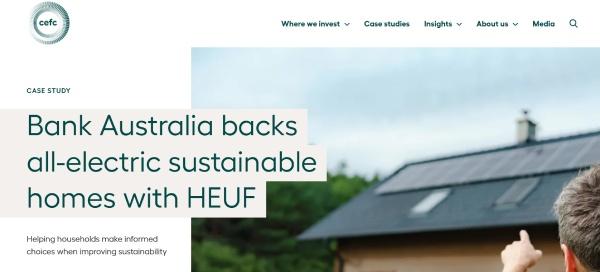
The Clean Energy Finance Corporation co-finances discounted business loans with major banks for assets including rooftop solar and batteries.
As confirmed by CEFC in July 2026, CEFC and ANZ offer a combined 0.8% p.a. rate discount for eligible SME customers.
A CEFC-linked loan can be checked with the bank before accepting a standard asset finance quote. The program is separate from the STC discount and instant asset write-off, so eligible businesses may be able to use them alongside the finance discount.
Why the NSW Home Energy Saver Loan Does Not Apply Here
The NSW Government's zero-interest Home Energy Saver loan, delivered through Brighte and Plenti, is for residential properties. It is available to homeowners and landlords, not businesses financing commercial premises.
Eligibility is based on household income, with a limit of $210,000 for the loan. Eligible upgrades include rooftop solar and residential batteries. Since businesses also finance these types of equipment, the program can be easy to mistake for a commercial finance option.
That being said, the program does not provide a pathway for financing solar or batteries on a business property.
However, if you're a business owner who is also a homeowner, you can still use the loan for your own home. The application is made in your personal capacity and remains separate from any commercial project.
We hold the required accreditation and finance provider approvals for the program. If you're discussing a commercial solar project with us and also planning an eligible home upgrade, we can explain how the two financing arrangements differ.
How the 100 kW Threshold Affects Solar Finance
Systems above 100 kW have historically qualified for Large-scale Generation Certificates (LGCs). These are created over the system's operating life, so their value reaches the business over time instead of reducing the upfront project cost.
Certificate timing affects how a lender models the project. There is no day-one discount to reduce the loan principal. Instead, the certificate value becomes an ongoing revenue stream.
Under the expanded SRES, eligible systems between 100 kW and 1 MW can receive STCs from 1 October 2026, using a fixed five-year deeming period. Projects near the threshold need to be assessed against the rules applying at the planned installation date.
The Tax Side: Instant Asset Write-Off and Depreciation

Financing structure and tax treatment are two separate decisions, and both affect the real cost of a commercial solar project.
The Permanent $20,000 Threshold
As of 26 August 2026, the instant asset write-off is permanent law. Businesses with an aggregated turnover below $10 million can use the $20,000 per-asset threshold under the Treasury Laws Amendment (Tax Reform No. 2) Act 2026.
Most commercial solar systems exceed the $20,000 threshold. Any remaining value can be depreciated through the small business pool. See our instant asset write-off guide for the full worked example.
Which Finance Structures Actually Unlock It
Ownership is the key question for depreciation. Businesses that own their solar system can generally claim eligible deductions for its decline in value, including through the applicable capital allowance rules.
A lease or PPA may put ownership with the financier or energy provider instead. In those cases, the business may claim eligible lease or electricity payments as operating expenses, depending on the agreement and tax rules.
The STC discount also affects the tax calculation. When an installer applies the STC value to the invoice, the amount paid for the system is reduced before calculating the depreciable cost base.
Confirm the tax treatment with your accountant or registered tax agent before signing a finance agreement. The information here is general guidance, not tax advice.
Financing a Battery Alongside the Solar System
A battery does not necessarily need its own finance facility. Many lenders and PPA providers can include battery storage in the same agreement as the solar system, giving the business one project cost and one finance arrangement to assess.
NSW businesses also have battery incentives that can reduce the upfront project cost. Since 1 September 2026, the Peak Demand Reduction Scheme's BESS4 activity covers small and medium businesses, alongside BESS5 for larger commercial and industrial projects.
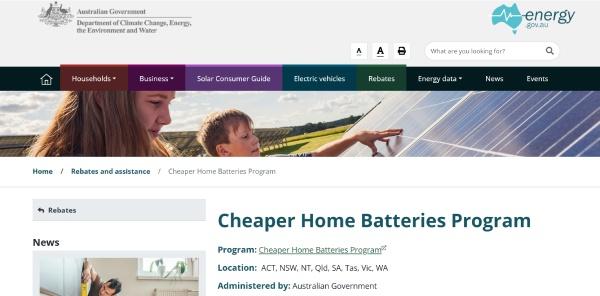
The federal Cheaper Home Batteries Program is another consideration for eligible small businesses installing battery systems up to 100 kWh. Qualifying systems receive around a 30% discount under the program, applied to the first 50 kWh of usable capacity.
The exact incentive depends on the battery, solar system and business eligibility. For the full breakdown of current requirements and incentives, see our commercial battery storage guide before finalising the finance amount.
FAQs About Commercial Solar Finance
Can I finance commercial solar if my business leases its premises?
Yes. Unsecured business loans and PPAs are typically the realistic options for tenanted premises, since the system cannot be used as security without the landlord's involvement. Written landlord consent is usually required for any fixed installation, and the finance term should align with the remaining lease.
Is a PPA the same as financing solar?
No. A PPA is a supply contract, not finance. A third party owns and maintains the system while the business simply buys the electricity it produces, usually below the grid rate. There's no loan, no asset on the business's books, and no depreciation to claim.
What happens to the finance if the business or property is sold?
It depends on the finance agreement. The outstanding balance may need to be paid when the asset or business is sold, or the finance may be transferred subject to lender approval. Check the agreement for early repayment fees, transfer conditions and any obligations attached to the solar system.
Does financing affect who gets the STC discount?
No. STC eligibility depends on ownership of the system, not how it was financed. A business that owns the system, whether paid in cash or through a chattel mortgage or unsecured loan, receives the STC discount. Under a PPA or lease, the finance provider owns the system and claims it instead.
Can Guwing Green advise on which finance structure suits my business?
We do not provide financial advice, but our work with businesses includes showing how ownership, system size and available incentives affect the project. You can take this information to your accountant or lender when deciding which finance structure suits your business. Ask our team to include this breakdown in your proposal.
Consider the Full Cost Before Financing
Commercial solar finance is not just about finding the lowest monthly repayment. The system cost, incentives, ownership structure, loan term and expected electricity savings all feed into the commercial solar payback calculation.
Guwing Green can lay out the system cost, incentives and ownership considerations in your proposal. Talk to our team for a commercial solar project assessment you can take to your finance provider.
Filed under