Thinking about off-grid solar for your Sydney home? Going completely independent from the electricity grid can sound appealing, especially if the goal is to cut bills and generate your own power. For most Sydney properties, though, going fully off-grid is not the most practical or cost-effective option.
A grid-connected system, potentially combined with battery storage, delivers many of the benefits of energy independence while keeping the grid available when you need it. Here is what to consider before deciding.
What Is Off-Grid Solar?
An off-grid system operates independently from the electricity grid. It typically includes:
- Solar panels.
- An inverter.
- Battery storage.
- A system to manage generation and storage.
- Potentially a backup generator.
Unlike a standard system, an off-grid setup cannot fall back on the network when the panels are not producing enough. That means it needs enough generation and battery capacity to supply the household through periods of low production, including cloudy weather and overnight use. Australian Government guidance notes that off-grid systems generally require larger batteries and, in many cases, backup generation to maintain a reliable supply.
What Is Grid-Connected Solar?
A grid-connected system stays connected to your local network. During the day your panels generate for the home, and any excess is either sent to the grid or stored in a battery. When the system is not producing enough, you draw from the grid as usual.
That makes grid-connected solar the straightforward option for homeowners who want to reduce electricity purchases without becoming fully independent. What you earn for the surplus depends on your feed-in tariff, which has fallen far enough that self-consumption now drives most of the value.
Off-Grid vs Grid-Connected: What's the Difference?
| Off-grid solar | Grid-connected solar | |
|---|---|---|
| Grid connection | No | Yes |
| Battery | Essential | Optional |
| Grid electricity | Not available | Available when needed |
| Upfront cost | Generally higher | Generally lower |
| Backup generation | May be required | Grid provides additional supply |
| Energy independence | Very high | Partial |
| Best suited to | Remote or difficult-to-connect properties | Most Sydney homes with an existing connection |
The biggest difference is what happens when your panels are not producing enough. A grid-connected home draws from the network. An off-grid property needs sufficient stored energy and potentially another backup source.
Is Off-Grid Solar Worth It in Sydney?
For most Sydney homes that already have a reliable connection, staying connected is generally the more practical option.
The reason is simple. An off-grid system has to be designed to meet your energy requirements even when generation is low. That means more solar, significantly more battery storage, and potentially a backup generator, all sized for the worst week of the year rather than the average one.
Australian Government guidance states that grid-connected solar is the most cost-effective setup for most Australian properties, and that off-grid makes more sense where grid connection is unavailable, unreliable or particularly expensive.
That does not make off-grid unsuitable for every Sydney property. Off-grid solar may make sense if:
- Your property has limited or no practical access to the electricity grid.
- Connecting to the grid would involve significant cost.
- You place a high value on energy independence.
- Your property has enough suitable space for the panels and batteries required.
- You are prepared for the higher upfront investment and ongoing system management.
What About Solar Panels and a Battery?
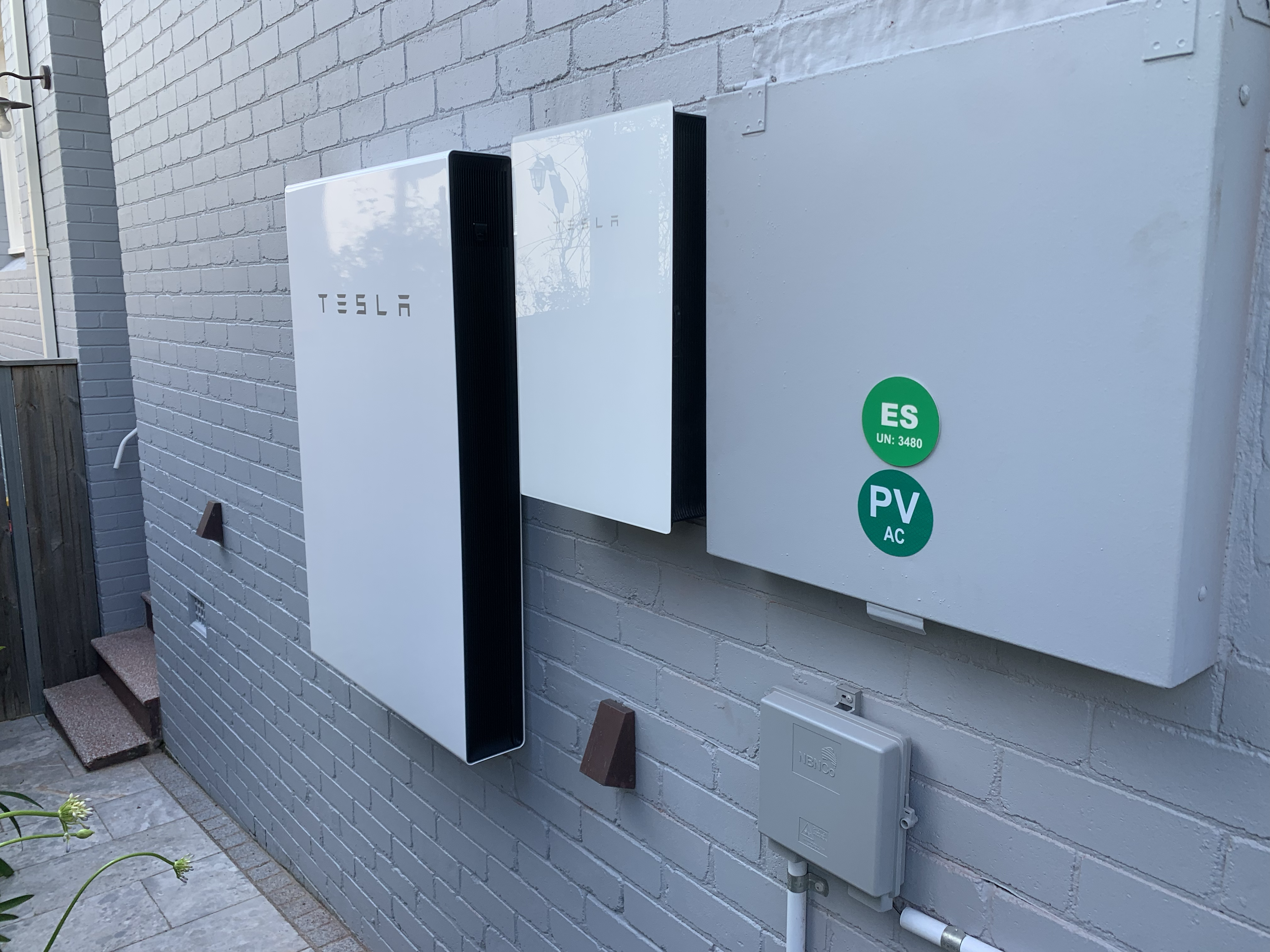
There is a middle ground between relying entirely on the grid and disconnecting from it altogether: grid-connected solar with battery storage.
A solar and battery system lets you use more of what your panels generate. Excess produced during the day is stored and used later, which is particularly useful for households that use more electricity in the evening. Our guide on whether a solar battery is worth it works through the numbers.
A battery also increases independence without requiring you to disconnect. Depending on the design, it may provide backup power during an outage. Not every battery system does this automatically, though. If blackout backup matters to you, it has to be specified when the system is designed.
For Sydney homeowners weighing up this middle ground, the NSW Government's Home Energy Saver program is worth knowing about. It offers eligible households a zero-interest loan of up to $15,000 for rooftop solar and battery storage, delivered through Brighte and Plenti.
Under the program guidelines, both the solar and battery components must be installed by a Solar Accreditation Australia accredited designer and installer, and purchased through a NETCC approved supplier. Guwing Green is a NETCC Approved Seller and holds SAA accreditation across the business, so a grid-connected solar and battery system we design can be financed through the scheme.
What Does Off-Grid Solar Cost in Sydney?
There is no reliable one-size-fits-all price for an off-grid system, because the equipment required depends heavily on the property. Cost is influenced by:
- Household electricity consumption.
- Solar panel capacity.
- Battery capacity.
- Inverter size.
- Roof or ground-mount installation requirements.
- Backup generator requirements.
- Electrical work.
- Future energy needs, including EV charging and electric hot water.
- Air conditioning and other high-energy appliances.
The important point is that an off-grid system generally costs more upfront than a comparable grid-connected system, because it has to provide enough stored energy to cover every period when generation is not available.
When Does Grid-Connected Solar Make More Sense?
For many Sydney homeowners, staying connected offers a better balance between generation, reliability and upfront cost. A grid-connected system may be particularly suitable if:
- You already have a reliable electricity connection.
- Your main goal is reducing electricity bills.
- You want solar without a very large battery.
- You want the flexibility to add storage later.
- You use significant electricity during the day.
- You want to charge an EV using your own generation.
- You do not need complete energy independence.
What Should You Consider Before Choosing?
Look at Your Electricity Usage
Understanding how much electricity your household actually uses is the first step in determining an appropriate system size.
Consider When You Use Electricity
A household using lots of electricity during daylight hours can use more solar directly. Evening-heavy consumption increases the value of storage.
Think About Future Energy Needs
Consumption changes if you add an EV, electric hot water, more air conditioning or other appliances. If an EV charger is on the horizon, it belongs in the design now rather than later.
Consider Your Existing Grid Connection
If your property already has a reliable connection, ask whether disconnecting is actually necessary to achieve what you want.
Think About Backup Requirements
If your main reason for considering off-grid is protection from blackouts, a properly designed solar and battery system with backup capability can achieve that without disconnecting.
Compare System Designs, Not Just Prices
A cheaper quote is not necessarily the better option. Look at the proposed capacity, battery size, equipment, installation requirements, warranties and expected performance. For grid-connected systems in NSW, the installer also has to satisfy the local network's requirements, and approval is required before a new system can be connected. Our guide on how to read a solar quote covers what to compare line by line.
This is what an engineering energy audit is designed to catch. Rather than a generic estimate, it works from twelve months of a property's actual interval meter data, so the recommended size and expected payback reflect how the household really uses electricity.
Frequently Asked Questions
Is off-grid solar worth it in Sydney?
For most Sydney properties with an existing reliable grid connection, remaining connected is generally more practical. Off-grid may make more sense for properties where grid connection is unavailable, unreliable or expensive.
Can I have solar and stay connected to the grid?
Yes. Most Australian rooftop systems are grid-connected. You can also add a battery to store excess solar for use later, without disconnecting.
Do off-grid solar systems need batteries?
Yes. Battery storage is a core part of an off-grid system, because there is no grid available when generation is not sufficient.
Can a solar battery work during a blackout?
It can, but only if the system was designed with suitable backup capability. A standard battery installation does not necessarily keep your home powered during a grid outage, as our guide to battery backup during blackouts explains.
Is off-grid solar more expensive?
Generally yes. Off-grid systems usually require additional generation and battery capacity, and some also need backup generation.
Is Guwing Green an approved supplier for the NSW Home Energy Saver Program?
Yes. Guwing Green is a NETCC Approved Seller and holds Solar Accreditation Australia accreditation, and is approved to offer access to the Home Energy Saver loan through Brighte and Plenti. That means eligible Sydney households can use the loan to help fund a Guwing Green-designed solar and battery system.
Choosing the Setup That Fits Your Property
Choosing between off-grid and grid-connected solar is not simply about deciding how independent you want to be. For a Sydney home, the better setup balances your consumption, your property, your budget, your future requirements and your need for backup power.
For many homeowners, a properly designed grid-connected system with optional battery storage provides a practical alternative to going completely off-grid.
Guwing Green can assess your property and energy requirements to determine what type and size of system makes sense. Speak with our team to discuss your options, or take a look at our guide for everyday Aussie homeowners weighing up solar and battery storage.
Filed under