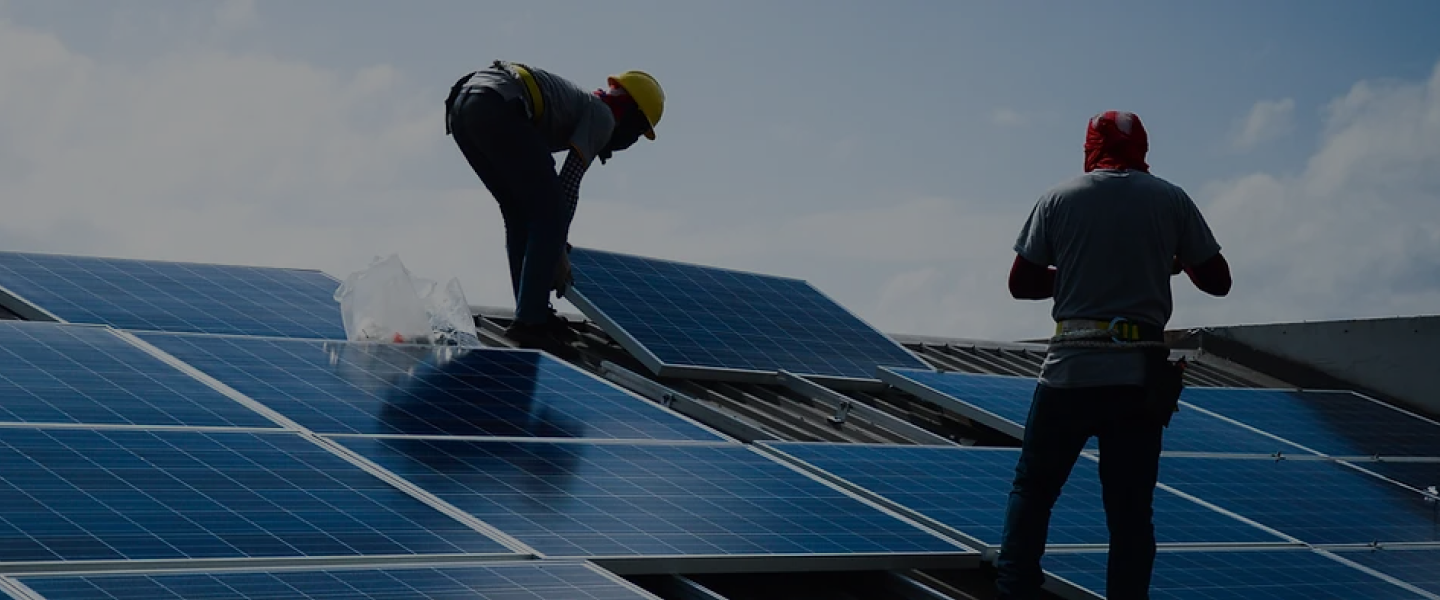

Adding solar panels and battery storage changes the financial value of your property. If you have just commissioned a system, or you are comparing quotes, the obvious question is whether your home insurance automatically protects the investment against Sydney's weather.
Solar equipment is generally covered by standard home insurance policies. But coverage only applies if you actively notify your insurer and update your sum insured.
In NSW, solar interacts with insurance in two entirely separate ways: during the installation phase, governed by the Home Building Compensation Fund, and after the job is finished, governed by your home and contents policy. Here is how to manage both.
Does Home Insurance Cover Solar Panels and Batteries?
Once permanently fixed to your property, rooftop panels, string inverters and wall-mounted batteries are treated as permanent fixtures, much like roof tiles or a hot water system. Because they are physically attached to the dwelling, they sit under your home building insurance rather than contents insurance.
Standard policies typically cover solar against the same insured events as the rest of the building. Subject to your specific Product Disclosure Statement, that generally includes:
- Severe storm damage and high winds.
- Hail impact shattering solar glass.
- Lightning strikes and resulting electrical surges.
- Fire and falling debris, such as heavy tree branches.
- Theft of components while fixed to the property.
Check your specific PDS wording. While rooftop arrays are universally accepted as building fixtures, large ground-mounted arrays sited away from the main house may fall under a different outbuilding classification with some insurers.
Do You Need to Tell Your Insurer After Installing Solar?
Yes. Notify your provider as soon as practical after the system is commissioned and running. Some insurers even permit pre-notification once you sign a binding installation contract.
Why Notifying Your Insurer Matters
The reason is underinsurance. The Australian Government's financial guidance site ASIC MoneySmart names solar panels specifically as one of the costs to fold into your rebuild figure.
If a severe fire destroys your home, the payout is capped at the sum insured on your policy. If that figure does not include the $12,000 you just spent on a solar system, you are out of pocket when rebuilding.
What to Tell Your Insurer
Declare the total replacement cost of the entire system, not the retail price of the hardware. Use the total on your tax invoice, which includes:
- The panels, inverter and mounting rails.
- Any integrated battery storage units.
- Specialised electrical components such as smart meters or backup gateways.
- Total installation labour and GST.
Updating a policy is usually straightforward. Log into your insurer's portal or call their service line and adjust the total building sum insured upward by the invoice amount. You do not need a separate or new policy.
How Solar Changes Your Premium
When you increase your sum insured to cover a new installation, your annual premium will typically rise. That increase reflects the added replacement value of the property, not an increased risk loading. Installing compliant solar technology on a sound roof does not make a home more dangerous in an underwriter's eyes. The premium rises because the insurer is now on the hook for a higher payout.
As electricity prices and the capital cost of solar hardware and specialised labour rise, your sum insured needs to keep pace with replacement costs or you are not fully covered.
Genuine risk penalties and claim denials come from non-compliant installations, not from having solar. A system installed without electrical certificates, on an unsafe switchboard, or outside council rules, is where insurers refuse coverage.
Solar Batteries vs Panels: Key Differences
Batteries are typically bundled under the same permanent fixture rules as panels, but they carry safety and compliance requirements insurers scrutinise more closely. If you are weighing up whether a solar battery is worth it, review your current PDS to confirm that energy storage systems or lithium batteries are explicitly covered.
Strict NSW Installation Safety Rules
Home batteries present different thermal characteristics to passive rooftop panels. In NSW, battery installations must comply with AS/NZS 5139, the mandatory Australian Standard governing battery safety. That means:
- Ventilation to safely manage gas that batteries can release while charging.
- Minimum clearance distances from doors, windows and habitable rooms.
- Clear hazard signage near the battery, so emergency responders know a system is present.
Our SAA-accredited installers design every battery installation to those requirements and document it, so you are not caught without proof of compliance if your insurer asks. If an unaccredited installer mounts a battery too close to a bedroom window or fails to apply safety labelling, an insurer may deny a future fire claim on the grounds of a non-compliant installation.
HBCF and Home Insurance Are Not the Same Thing
The most common point of confusion for first-time solar buyers in NSW is conflating home insurance with the Home Building Compensation Fund. They are two separate protections that apply at different stages.
| Home insurance | HBCF | |
|---|---|---|
| What it protects | The physical hardware | You, against a failing contractor |
| When it applies | From commissioning onward | During and after the build, up to six years for major defects |
| Covers hail and storms | Yes, subject to your PDS | No |
| Trigger | You notify your insurer | Residential building work over $20,000 in labour and materials |
HBCF is a mandatory NSW Government scheme triggered whenever residential building work, including solar and battery installation, exceeds $20,000 in total labour and materials including GST. It does not protect your panels from hail. It protects you if the installation company goes bankrupt, disappears or loses their licence while leaving you with incomplete or defective work.
Most standard single-system residential installations fall below the $20,000 threshold, so HBCF does not apply. Add a large 13.5kWh battery to a premium rooftop array, though, and the invoice frequently crosses that mark. By law, the installation company must then purchase an HBCF certificate for your project and provide it to you before starting work or taking a deposit.
What to Keep in Case You Ever Need to Claim
If a Sydney hailstorm damages your panels three years after installation, your insurer will want specific paperwork before approving a payout. Keep these on file from day one:
- Certificate of Compliance for Electrical Work (CCEW). The mandatory legal document issued by your installing electrician confirming the system meets NSW wiring rules.
- Proof of accreditation. Verification that the design and installation were performed by an active SAA-accredited installer.
- The itemised tax invoice. Showing final system cost including hardware, labour and GST, to match against your declared sum insured.
When you work with our SAA-accredited engineering team, you get a fully documented handover as standard. We hand over the CCEW, engineering schematics and tax invoices in a single digital package, so you already have exactly what your insurer needs before they ask.
Frequently Asked Questions
Do I need separate insurance for solar panels?
No. For the vast majority of homeowners, standard home building insurance covers rooftop solar once declared as a permanent fixture. Specialised stand-alone solar insurance products exist but are rarely necessary for a standard residential setup.
What if I switch insurers after I have already declared my system?
Your declared sum insured and fixture notifications do not carry over to a new provider. If you switch, you must proactively declare the solar system and battery to the new insurer and adjust the rebuild cost accordingly.
Does home insurance cover damage caused during installation?
Generally no. If a contractor drops a panel through your roof tiles or damages guttering during the install, that falls under the installer's public liability insurance and workmanship warranty. Your home policy typically only covers the system once the job is finished and commissioned.
Are solar batteries covered the same way as panels?
Usually yes, since wall-mounted batteries are classified as fixed building infrastructure. Because batteries carry different thermal risks, confirm your PDS explicitly mentions energy storage systems or batteries to avoid a coverage dispute. Our resources hub has more on safe battery positioning.
Does the NSW Home Energy Saver Program change what I tell my insurer?
No. The same notify-and-update steps apply no matter how you paid. If part or all of your system is financed through a Home Energy Saver loan, you still declare the full replacement value, financed portion included, once the system is commissioned. Guwing Green is approved to offer access to the loan, so our engineering team can walk you through eligibility alongside your quote.
One Phone Call, Not a Paperwork Hunt
Standard home building insurance generally covers solar panels and home batteries against storms, fire and weather events, but only if you take the time to notify your provider. Update your sum insured using the final tax invoice and you are properly protected against underinsurance.
Remember that HBCF protects you against a failing contractor during the build, while your home policy protects the hardware once the job is done. Guwing Green's SAA-accredited engineers hand over your Certificate of Compliance, invoice and system specs as standard. Talk to our engineering team about a system built around how you actually use power, or see how we work with everyday Aussie homeowners.
Filed under