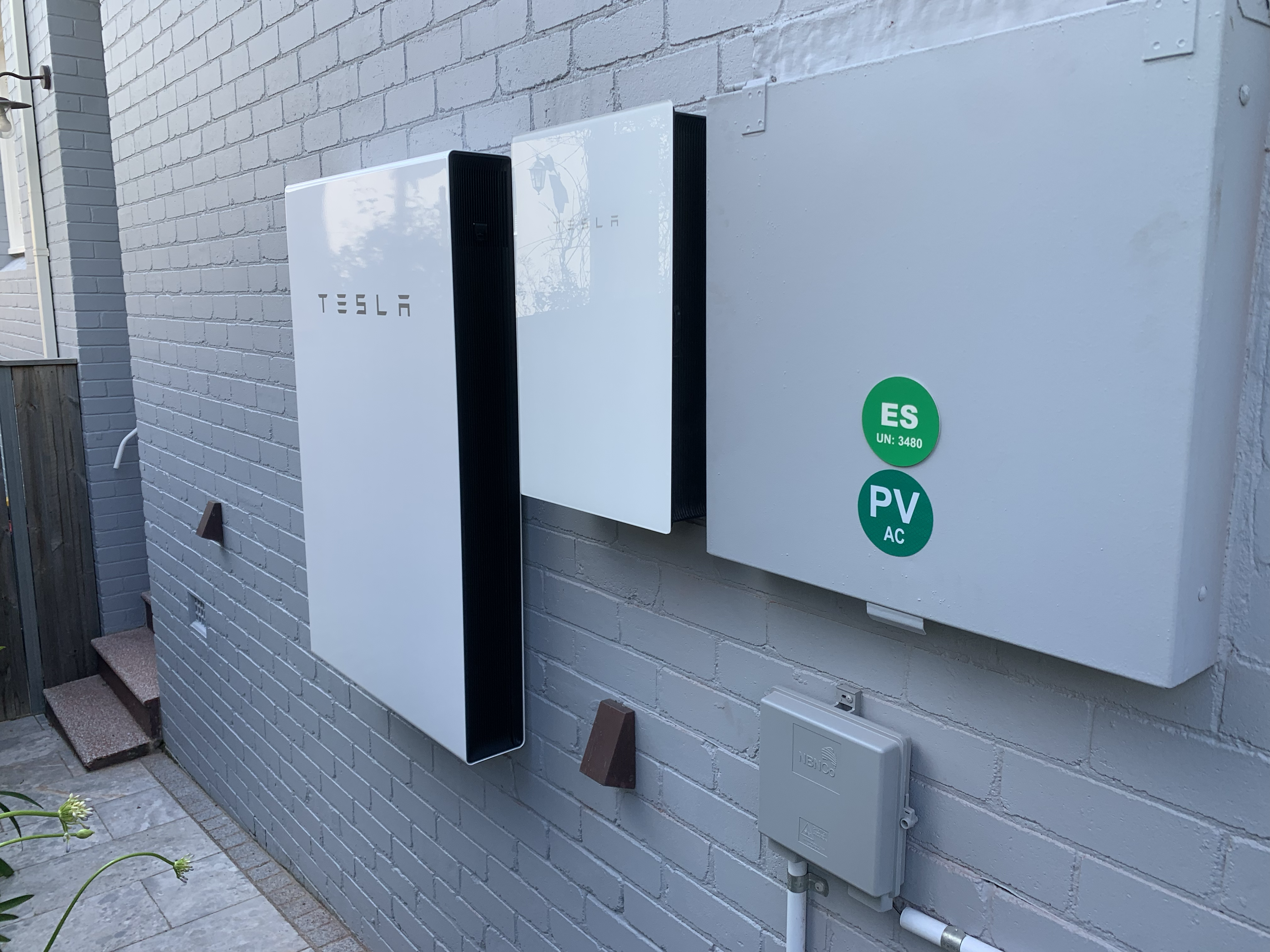
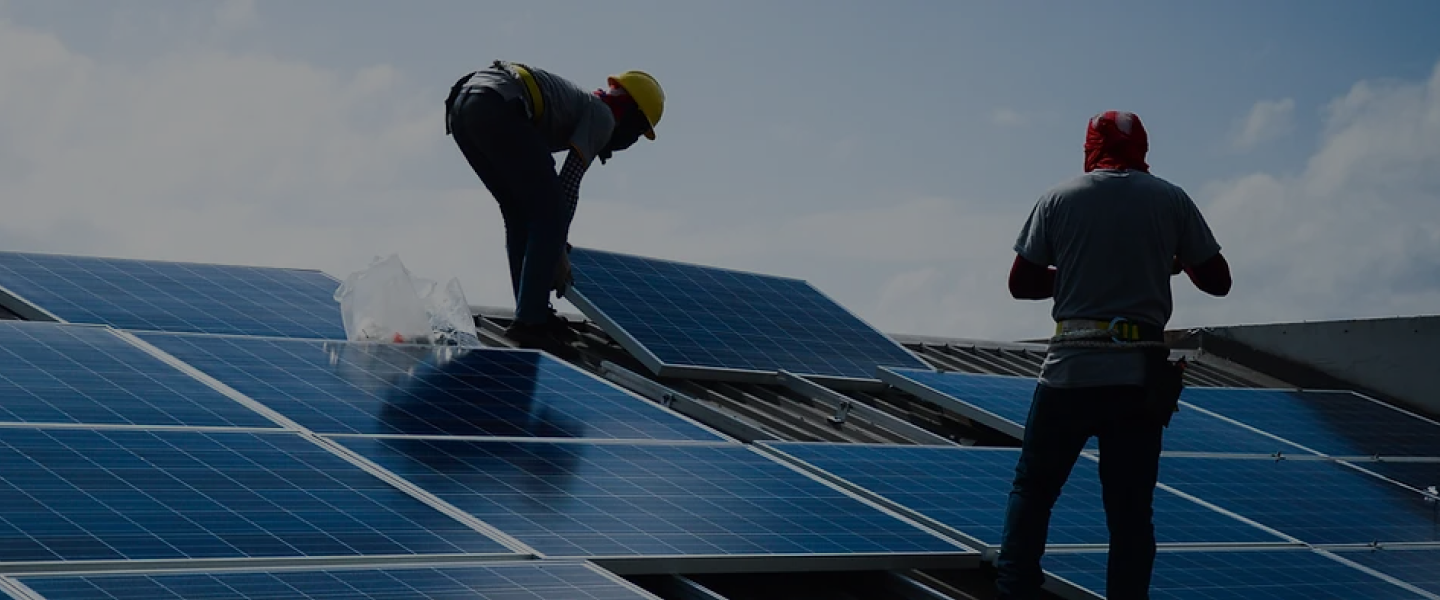
Since 1 May 2026, the federal Cheaper Home Batteries Program discount has stepped down every six months instead of once a year. It's one of several rule changes that now apply specifically to upgrades, alongside the NSW Emergency Backstop rule, lower feed-in tariffs and the tapering battery discount covered below.
For a Sydney or NSW homeowner weighing up an upgrade, the rebate change comes alongside lower feed-in tariff benchmarks and updated connection requirements.
The IPART 2026-27 benchmark puts NSW feed-in tariffs at 3.4 to 6.5 cents per kWh. Upgraded systems also need to meet the current NSW connection rules.
A solar power upgrade usually means adding panels, replacing the inverter, adding a battery, or replacing the whole system. Which one comes first depends on household usage and the existing system.
The sections below cover what to check first, which NSW rules and rebates apply, what the work costs, and how to order it.
Is a Solar Power Upgrade Worth It?
Before deciding what to upgrade, confirming the current system actually needs it comes first.
Check the System You Have First
Every real system experiences some loss compared to its lab rating, due to temperature, angle, shading and general wear.
Compare a full year of generation against the installer's original estimate rather than a single day's reading. Daily output can swing with weather and season, even when the system is working as expected.
If output falls well below that estimate, get the original installer or a qualified electrician to inspect the system before spending on an upgrade.
An engineering energy audit from Guwing Green is one way to get that independent check, based on your actual meter data rather than a guess.
This is not a job for a homeowner on a ladder. Solar systems carry high DC voltages. A yearly check by a qualified electrician, including confirmation that the inverter is still connected to home internet, provides a safer way to catch problems early.
High Bills Despite a Healthy System
A healthy solar system can still leave a household with a high electricity bill. Export payments have dropped again for 2026-27, while retailers set their own rates for the NSW feed-in tariff.
The NSW Solar Bonus Scheme ended on 31 December 2016. Households that previously received its premium rates now receive an unsubsidised feed-in tariff set by their retailer for electricity exported to the grid.
Household electricity use can also change the result. Evening consumption, an EV or a heat pump can push a system that once covered most household demand into regular grid imports.
The actual usage rate on your bill, alongside your retailer's export rate, gives a more useful view of current electricity costs.
Retailer plans also need checking for daily export caps, especially when a system is being expanded. These limits can affect how much excess generation can be sent to the grid.
Ageing Inverters, Capped Exports and Other Warning Signs
Equipment may need attention when its age or technical limits begin to restrict the system. An inverter that cannot support a battery, missing monitoring, capped exports or an expired inverter warranty can all point to an ageing system.
Under the Clean Energy Council's New Energy Tech Consumer Code (NETCC), an approved seller must provide a minimum five-year workmanship warranty as the legal floor, though many installers offer longer.
Manufacturer product and performance warranties vary by brand and component, so the actual paperwork for a specific system provides a better reference than assuming a standard length.
In most cases, the inverter reaches the end of its cover well before the panels do, since it works harder and runs hotter than the panels themselves.
4 Upgrade Options for an Existing Solar System
Once the existing system has been assessed, the main upgrade options are:
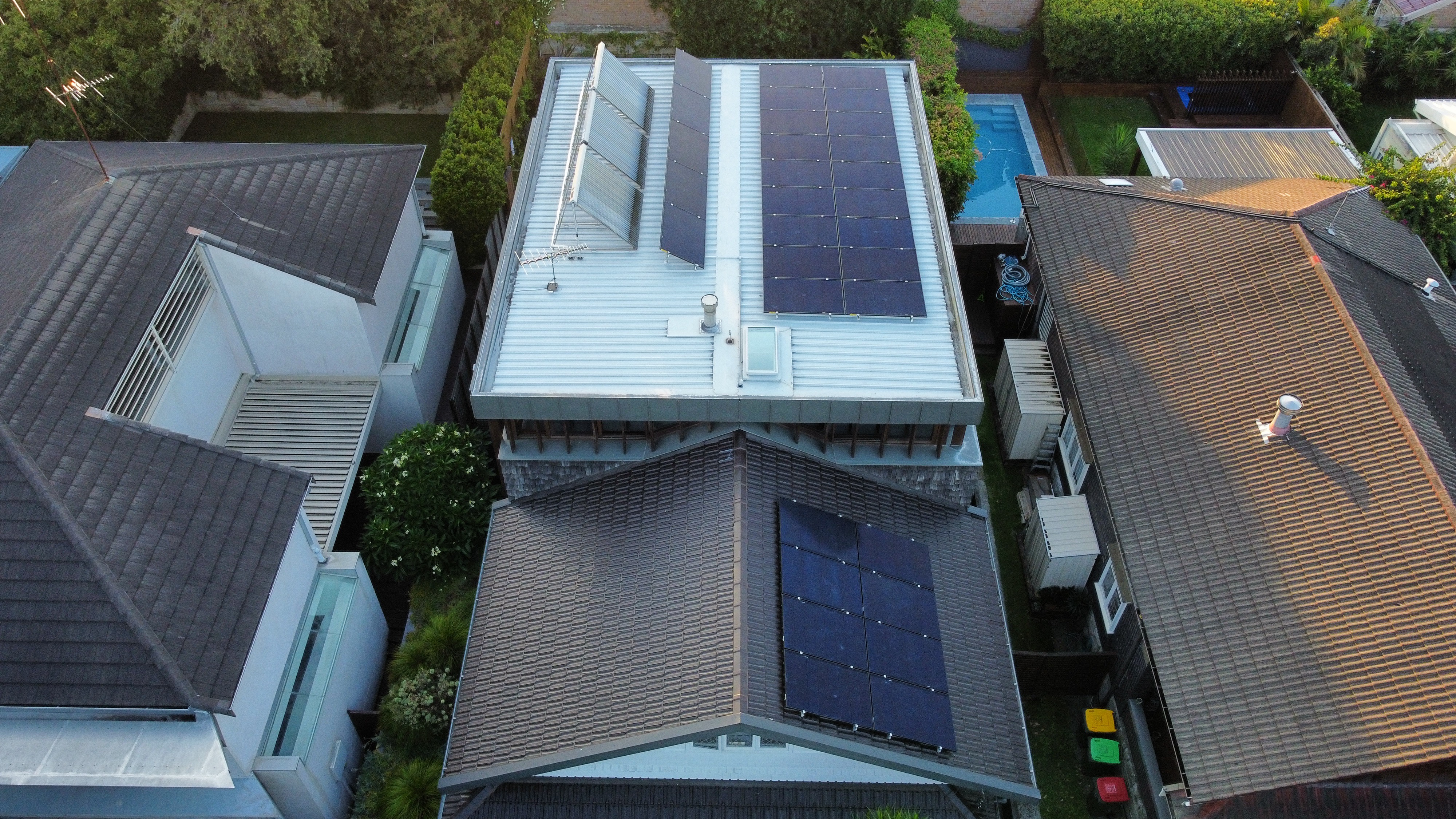
Adding More Panels
This option only works if the inverter has spare capacity, the roof has room, and the local network allows the larger system size.
New panels need to be electrically compatible with the strings they join, matching voltage and current ratings. The installer must confirm the inverter can actually handle the added power.
Where it cannot, the alternatives are microinverters on the new panels, a second system installed alongside the old one, or starting the system over entirely.
A couple of extra panels alone often will not shift output meaningfully. The amount of additional generation required comes back to household usage and what size solar system you need for the available roof area.
Under Clean Energy Regulator (CER) rules, the installer must also re-certify the whole system as part of the work, including the connection to the electrical installation, and upgrade anything that no longer meets current standards.
Replacing Your Inverter
The inverter sets the ceiling for the entire system. A replacement can become the next step when the existing inverter is reaching the end of its warranty, cannot support additional panels, or lacks the capability needed for battery storage.
A hybrid, battery-ready inverter can manage solar generation and battery storage through a single unit. Newer network requirements add another layer to consider.
The Common Smart Inverter Profile Australia (CSIP-AUS) is based on Standards Australia TS 5573:2025. It supports dynamic export limiting, allowing the network to adjust a system's export limit as local conditions change.
Eligible systems can access higher export limits under normal conditions, with temporary curtailment when the network is congested.
For a homeowner upgrading an inverter, the proposed replacement should be checked against the applicable network requirements before installation. Like-for-like replacements carried out under a manufacturer warranty are exempt from the CSIP-AUS requirement.
A side-by-side breakdown of current inverter options, including which support dynamic export limiting, is covered in our solar inverters compared article.
Adding a Battery to Existing Solar
Adding storage to an existing solar system requires a decision about how the battery will connect to the array. There are two main configurations:
- AC coupled battery: Uses a separate inverter, leaving the existing solar inverter in place.
- DC coupled battery: Replaces the existing solar inverter with a hybrid unit that manages both solar generation and battery storage.
Battery incentive eligibility should also be checked before selecting the configuration. The federal program has specific requirements for the battery, inverter and existing PV system, covered in the incentives section below.
The existing solar system also needs to meet applicable NSW electrical safety requirements.
NSW backstop rules apply to a hybrid battery connected to solar, but not to an AC coupled battery installed as a standalone unit.
Battery sizing should follow the household's actual evening load and how much genuine surplus the panels produce, instead of using a generic capacity estimate.
Replacing the Whole System
A full replacement is the right call when old equipment, or a crowded roof, is the actual limiting factor.
Panel technology has moved on considerably since many older systems went in. A modern replacement can therefore deliver meaningfully more capacity from the same roof space without adding a single extra panel.
The Small-scale Renewable Energy Scheme (SRES) also treats a complete replacement differently from a partial panel swap.
A system with new panels and a new inverter can be claimed as a genuine replacement system under SRES. Swapping some panels while keeping the old inverter cannot.
NSW Rules to Check Before You Upgrade
An upgrade does not just involve a homeowner and an installer. Changes to a grid-connected solar system can affect how the property interacts with the electricity network, so the local network operator also needs to be considered.
Your Network Has to Approve the Change
Grid-connected solar systems in NSW are connected through one of three Distribution Network Service Providers (DNSPs), each with its own export requirements.
| Network | Export Limit |
|---|---|
| Ausgrid | Up to 10 kW of total inverter nameplate rating per phase can go through streamlined approval. Higher capacities require technical review. |
| Endeavour Energy | Flexible exports allow a compatible, internet-connected inverter to export up to 10 kW under normal conditions, with temporary limits when the network is constrained. The older fixed limit is 5 kW per phase. |
| Essential Energy | Export limits vary by area. Confirm the current limit with Essential Energy or the installer. |
These normal operating limits can affect whether additional panels, a larger inverter or a battery can be added without further network assessment.
Guwing Green's project management team submits the grid connection application to the relevant NSW electricity distributor as part of the upgrade. Once approval is received, the team coordinates with our SAA-accredited installers to carry out the work.
The NSW Emergency Backstop Rule for New and Upgraded Systems
The Emergency Backstop is a last-resort safety measure required by the Australian Energy Market Operator (AEMO), letting the network temporarily reduce rooftop solar exports or pause generation when instructed. It's expected to be used rarely.
For upgrades specifically, the rule is being introduced gradually from late 2026. New and upgraded rooftop systems up to and including 200 kW need a CSIP-AUS compliant inverter, must be registered through the NSW CER Installer Portal, and must pass an internet capability test.
Existing systems that are left untouched need no action, and some warranty replacements and embedded network customers are exempt. Where a property has no internet connection, exports must be capped at 1.5 kW until one is in place.
None of this affects supply to the home. The system runs normally outside the rare events when the backstop is actually triggered.
Approvals, Accreditation, and Safety
A few checks also apply alongside the technical upgrade:
- Council Approval: Solar systems may be exempt development under NSW planning rules, though conditions apply, particularly for heritage items and conservation areas. Check the NSW Planning Portal and the relevant council directly, since requirements vary by location.
- Accreditation: To claim Small-scale Technology Certificates (STCs), the system must be designed and installed by an SAA-accredited designer and installer. Status can be checked on the SAA register.
- Safety: Network operators audit a share of installations after connection, sometimes months later given the volume involved. An unsafe system can be disconnected immediately if found.
What Counts for STCs When You Upgrade
The CER treats each type of upgrade differently:
| Upgrade Type | STC Eligibility |
|---|---|
| Add panels to the existing inverter | Eligible if the total system stays at 100 kW or less, the new panels and existing inverter are CEC listed, the inverter has enough capacity, and everything meets current standards |
| Add panels and a new inverter | Eligible for the new equipment only, as long as the existing panels are not included in the new claim and the installer re-certifies the whole system |
| Install a separate second system | Eligible if combined capacity is 100 kW or less and the new equipment is CEC listed |
| Replace the whole system | Eligible if the panels and inverter are new, with no earlier STC claims |
| Replace some or all panels, keep the old inverter | Not eligible |
Keep the STC discount visible in the paperwork. An itemised invoice should show the hardware cost, installation labour, Goods and Services Tax (GST) and STC discount as separate amounts.
Rebates and Incentives That Apply to a Solar Upgrade in NSW
Two federal schemes and two NSW-specific offers change the maths on when and how to upgrade.
The Cheaper Home Batteries Program on Existing Solar
Battery discounts through the Small-scale Renewable Energy Scheme began on 1 July 2025. The Cheaper Home Batteries Program works with existing solar systems.
To qualify, a battery must have 5 to 100 kWh of nominal capacity, appear on the CEC approved battery list and support VPP operation.
Installation must take place alongside a new or existing PV system of 100 kW or less, with an SAA-accredited installer holding the required battery endorsement.
The discount is calculated using certificates per usable kWh, known as the STC factor. For 2026 and 2027, the scheduled factors are:
| Period | STC Factor |
|---|---|
| May to December 2026 | 6.8 |
| From 1 January 2027 | 5.7 |
Further reductions apply every six months through to 2030.
Battery size also affects the certificate calculation:
| Usable Battery Capacity | STC Factor Applied |
|---|---|
| Up to 14 kWh | 100% |
| 14 to 28 kWh | 60% |
| 28 to 50 kWh | 15% |
Only the first 50 kWh of usable capacity counts toward the calculation, and one battery per premises can claim STCs.
Since the final dollar value depends on the STC price on the installation date, ask for three separate figures on the quote: the pre-discount price, the STC deduction and the net price. The REC Registry calculator can also estimate the certificate value directly.
The NSW VPP incentive
NSW provides a one-off incentive under the Peak Demand Reduction Scheme (PDRS) for connecting an eligible battery to an approved virtual power plant (VPP).
The incentive can be combined with the federal Cheaper Home Batteries Program, giving eligible households access to both incentives for the same battery installation.
NSW's earlier upfront battery installation discount applied to eligible installations completed before 1 July 2025. The current VPP incentive varies according to the battery capacity made available to the grid, the VPP provider and the contract terms.
For a battery upgrade, check whether the proposed system can participate in an approved VPP and whether the quote includes any VPP incentive. The provider's terms should show how and when the payment is applied.
The NSW Home Energy Saver Loan
The NSW Government's Home Energy Saver program offers eligible households a zero-interest loan of up to $15,000, repayable over up to 10 years, to help cover an upgrade.
Solar and battery installations are both on the list of approved upgrades, alongside things like switchboard work and reverse-cycle air conditioning.
The loan isn't paid out directly. It's delivered through appointed finance providers, and it can only be applied through a vendor accredited under the program.
Guwing Green is an accredited vendor on Plenti's Home Energy Saver loan panel, one of the scheme's finance providers, so eligible NSW homeowners can put the loan toward a qualifying solar or battery upgrade with us.
Eligibility depends on household income and the lender's own credit assessment, and the list of approved upgrades can change, so it's worth checking the current criteria on the NSW Government's Home Energy Saver page before you commit.
Feed-In Tariffs and the Solar Sharer Offer
Export value has already dropped for 2026-27, as covered earlier. Since 1 July 2026, eligible NSW households with a smart meter can opt in to the Solar Sharer Offer, up to 24 kWh of free electricity a day between 11am and 2pm.
This does not make the whole bill free. Charges outside that window, and the daily supply charge, still apply.
The offer suits households that can shift usage into that window, or use it to charge a battery or EV.
Cheap or free midday power, combined with low export payments, both point in the same direction for an upgrade decision: storing and shifting energy is now worth more than exporting it.
What Does a Solar Power Upgrade Cost in NSW?
Cost is one of the first things to consider when upgrading an existing solar system. Prices can vary considerably because you're working with existing panels, electrical infrastructure and a network connection.
However, new-system pricing still offers a useful reference point for the overall cost of solar equipment and installation. The figures below are based on current Australian pricing after applicable STC discounts:
| New-System Benchmark | Approx. 2026 Price |
|---|---|
| Fully installed solar system | Around $1,000/kW |
| Solar Choice price index | $0.88–$0.95/W after STCs |
| Premium systems | Around 20%–30% more |
Costs People Forget to Ask About
The equipment itself is only one part of an upgrade quote. A proposal should account for:
- System Re-certification: Upgrades may require the existing system to be brought up to current standards.
- Switchboard Work: Older switchboards may need additional electrical work before new equipment can be connected.
- Network Requirements: Connection applications, technical assessments and other network costs vary by property and distributor.
- Inverter Requirements: A replacement inverter may need to meet current NSW connection and export requirements.
- Installation Complexity: Roof access, existing cabling and the layout of the current system can all affect labour costs.
How to Check the Upgrade Payback
Payback calculations are only as useful as the energy data behind them. NSW smart meters record electricity use throughout the day, giving installers a much more useful view of when the home imports and exports energy.
Ask the installer to model the upgrade using 12 months of interval meter data. An average household demand profile can hide the periods when a home actually uses or exports the most electricity, and those periods are exactly what determine whether the upgrade pays off.
This is exactly what a Guwing Green engineering energy audit does: it works from your own 12 months of data rather than a rule of thumb.
The quote should also show three separate figures:
- Pre-discount price
- STC deduction
- Net price after the discount
Our guide on how to read a solar quote covers the main line items to check before signing. For system sizing and savings estimates, an engineering energy audit can assess your site's electricity use and the proposed upgrade in greater detail.
The interval data and quoted system cost can then be used to estimate the upgrade payback. The result will vary according to household energy use, when electricity is consumed, solar exports, electricity and feed-in tariffs, and the total cost of the upgrade.
How to Plan the Order of Your Upgrade
The upgrade sequence depends on the condition of the existing system and the household's current electricity use.
| Upgrade Option | Consider First When |
|---|---|
| Inverter | The existing inverter is capped, approaching the end of its warranty or cannot support the battery you want to add |
| Battery | The solar system generates enough electricity during the day, but the household buys a large share of its power after sunset |
| Additional Panels | Daytime electricity use exceeds available solar generation, or an EV or heat pump is expected to increase daytime demand |
The upgrade sequence should also account for the condition and capacity of the existing system, not just the household's electricity profile, which shows how much electricity the home uses, imports and exports across different times of day and seasons.
Guwing Green can assess this data alongside the existing system before recommending an upgrade. For a combined system, see our solar and battery systems for homeowners page or speak with our team about the options for your property.
A Final Reminder Before You Sign
Before approving an upgrade, check that the quote and proposed system cover the key network, compliance and pricing requirements.
- Has the proposed system size been approved by the network?
- Is the upgrade eligible for STCs under the Clean Energy Regulator's rules?
- Does the proposed inverter meet the applicable NSW connection requirements, including CSIP-AUS where required?
- Does the quote itemise re-certification, switchboard work and network costs?
FAQs
Can I add more solar panels to my existing system?
Usually, but only if the inverter has spare capacity, the roof has room, and the network allows the larger size. New panels must be electrically compatible with the existing string, and the whole system needs re-certifying as part of the work.
Do I need a new inverter to add a battery?
Not always. An AC coupled battery uses a separate inverter, leaving the existing solar inverter in place. By comparison, the DC coupled configuration replaces the existing solar inverter with a hybrid unit that manages both solar generation and battery storage. If your current inverter is older or nearing the end of its lifespan, replacing it with a hybrid model is usually more efficient.
Will upgrading affect my feed-in tariff?
In NSW, no. The Solar Bonus Scheme, which offered premium legacy rates, ended on 31 December 2016. Current feed-in tariffs follow the IPART benchmark regardless of when a system was installed, so there is no legacy rate at risk from upgrading.
Can I use the NSW Home Energy Saver loan for a solar upgrade?
Yes, if the upgrade is on the approved list and you meet the income and credit criteria. Guwing Green is an accredited vendor on Plenti's Home Energy Saver loan panel, so we can help you apply it to a qualifying solar or battery upgrade.
Do I need council approval to add panels?
Often not. Solar systems may qualify as exempt development under NSW planning rules, though conditions apply, particularly for heritage items and conservation areas. Check the NSW Planning Portal and the relevant council directly, since requirements vary by location.
Can I upgrade my solar system myself?
No. Solar systems carry high DC voltages, and in NSW, solar wiring must be done by someone holding an electrical contractor licence or an electrical qualified supervisor certificate. Climbing onto the roof or touching panels is not safe, even when the system appears switched off.
Is it better to upgrade or replace my solar system?
It depends on what is limiting the current system. An ageing or capped inverter, or a roof with no remaining room, usually points to a full replacement. A system with genuine spare capacity is often better served by a smaller, targeted upgrade instead.
Does this apply to a business solar system?
The general principles are similar, but commercial systems face different thresholds, network requirements and certificate rules, particularly around the 100kW STC/LGC boundary.
Is It Time to Upgrade Your Solar System?
An older solar system does not automatically need a complete replacement. In some homes, one well-chosen upgrade can address the reason electricity costs have risen. In others, replacing the system may be the more practical route.
If you're considering an upgrade, talk to Guwing Green's engineer. We'll assess your existing system and energy use before recommending the work your home actually needs.
Filed under